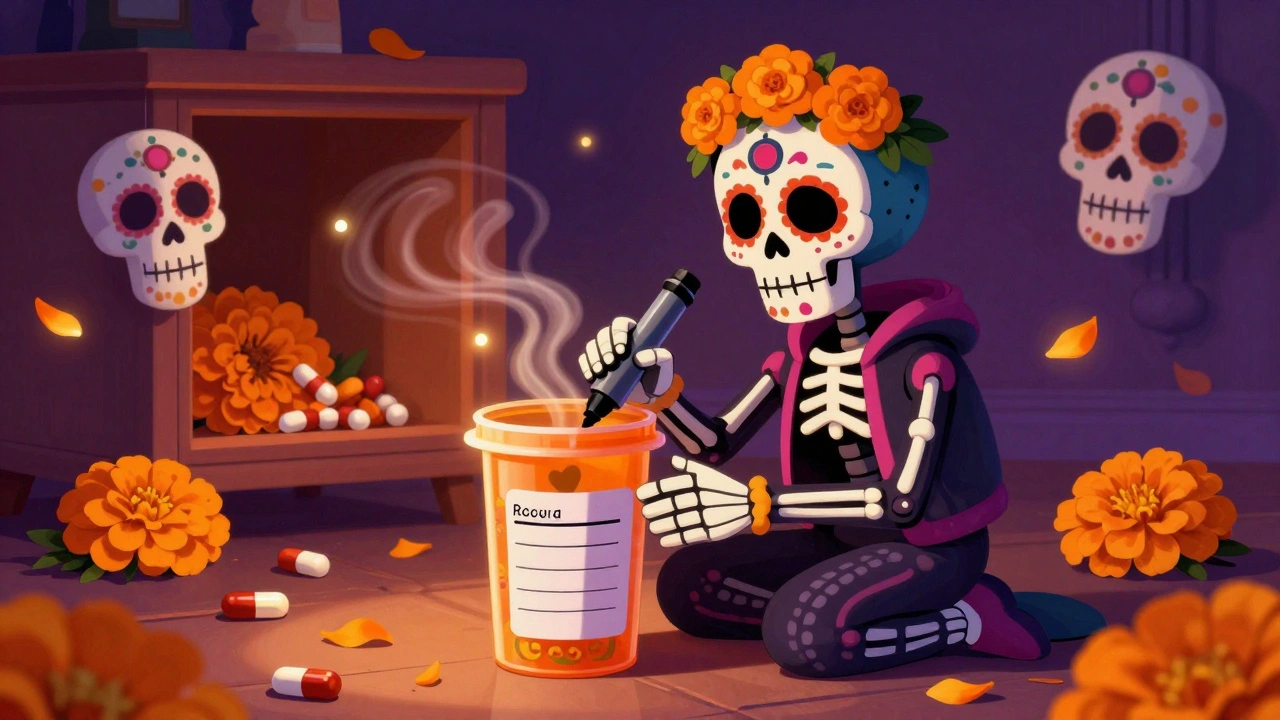
Unused Medications: Safe Storage, Disposal, and Risks You Can't Ignore
When you have unused medications, drugs you no longer need because the treatment ended, the prescription changed, or the pills expired. Also known as leftover pills, these can become serious safety hazards if not handled correctly. Many people keep them in bathroom cabinets or kitchen drawers—convenient, but dangerous. The FDA warns that nearly 70% of misused prescription drugs come from family medicine cabinets. That’s not just about teens stealing painkillers. It’s about grandparents grabbing the wrong bottle, kids finding a forgotten patch, or pets chewing through a pill container. Unused medications aren’t just clutter—they’re potential emergencies waiting to happen.
One of the biggest risks is expired drugs, medications past their labeled expiration date that may lose potency or break down into harmful substances. You might think an old antibiotic or blood pressure pill is still fine, but studies show some drugs degrade faster than you’d expect, especially in heat or humidity. Fentanyl patches, for example, can leak more of the drug if stored near a radiator or in a hot car. And mixing old pills with new ones? That’s how dangerous interactions start—like taking an old blood thinner with a new heart medication and ending up in the ER. Even something as simple as leftover ibuprofen can cause stomach bleeding if taken long after the original condition is gone.
Then there’s medication disposal, the process of safely getting rid of drugs so they don’t pollute water, attract misuse, or harm wildlife. Flushing pills down the toilet used to be common advice—but now the EPA and FDA say most drugs should go in the trash, mixed with coffee grounds or cat litter to make them unappealing. Some pharmacies offer take-back bins, and many cities host annual drug collection days. If you’re unsure where to go, check with your local pharmacy or health department. Don’t just toss them in the recycling. Don’t pour them down the drain. And never give them to a friend who says they "need something for pain."
And what about drug storage, how you keep medicines before they’re used or thrown away? Heat, light, and moisture ruin pills. Storing insulin in the fridge? Good. Keeping it on the windowsill? Bad. Keeping fentanyl patches in a bathroom? Deadly. The right place is usually a cool, dry spot—like a bedroom drawer, not the bathroom. And always keep them out of reach of kids and pets. A single pill can be fatal to a child or dog.
These aren’t abstract rules—they come from real stories. A grandmother took an old painkiller she found in a drawer and ended up in the hospital. A teenager got addicted after finding his dad’s unused opioid prescription. A dog died after eating a discarded fentanyl patch from the trash. Each of these could’ve been prevented with better handling of unused medications.
Below, you’ll find real guides that show you exactly how to sort through your medicine cabinet, recognize dangerous leftovers, and dispose of them safely. You’ll learn what to do when a loved one is on multiple pills, how to spot expired drugs hidden in old bottles, and why keeping "just in case" meds is a bad idea. No fluff. Just clear steps that protect your family and your health.