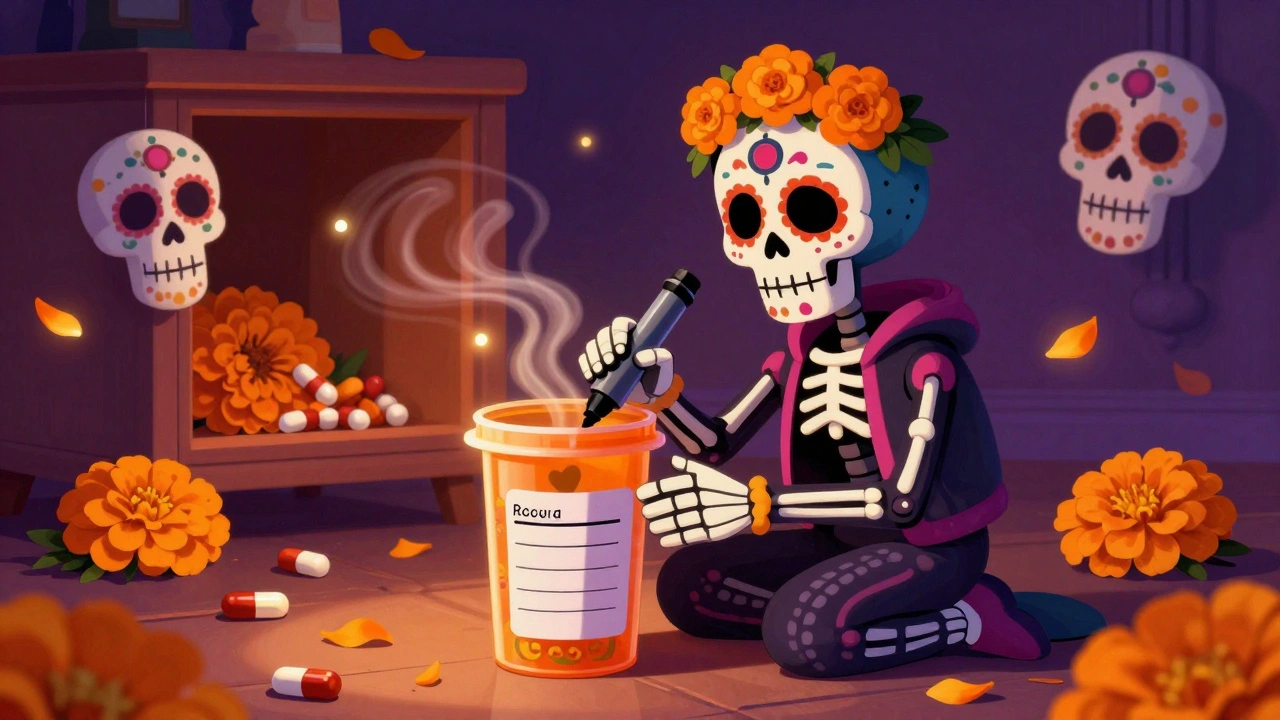
Take-Back Events: Safe Disposal of Unused Medications
When you have old pills sitting in your medicine cabinet—expired painkillers, leftover antibiotics, or unused opioids—take-back events, official programs where people drop off unused or expired medications for safe disposal. Also known as drug take-back days, these events are organized by pharmacies, law enforcement, and public health agencies to keep dangerous drugs out of homes and water supplies. Throwing them in the trash or flushing them down the toilet isn’t just messy—it’s risky. Kids, pets, and even strangers can find those pills. And when they end up in landfills or sewers, they pollute drinking water and harm wildlife.
Take-back events are part of a larger system called pharmaceutical waste management, the process of collecting, transporting, and destroying unused drugs in a way that prevents harm. These programs work because they’re simple: you bring your old meds—no questions asked—to a local drop-off site, often at a police station, pharmacy, or community center. Some places even have permanent drop boxes. You don’t need a receipt. You don’t need to explain why you have them. You just drop them off and walk away knowing you’ve done the right thing.
This isn’t just about cleaning out your cabinet. It’s connected to real safety issues you’ve probably heard about: opioid overdoses from leftover prescriptions, accidental poisonings in children, and environmental contamination from drugs leaching into groundwater. That’s why medication disposal, the act of safely getting rid of unused or expired drugs. is now part of public health guidelines from the FDA and CDC. In fact, the DEA runs National Prescription Drug Take Back Days twice a year, collecting tons of pills from households across the country. And it’s not just opioids—antibiotics, antidepressants, blood pressure meds, even herbal supplements like milk thistle or fish oil should go through these channels.
Many of the posts in this collection tie directly to why take-back events matter. If you’ve read about fentanyl patches and heat overdose, you know how dangerous these drugs can be—even when stored improperly. If you’ve seen advice on medication lists or hospital discharge plans, you understand how easy it is to end up with pills you no longer need. And if you’ve learned about drug interactions or genetic side effects, you know that keeping unused meds around increases the chance someone will take the wrong one.
You don’t need to wait for a national event. Check your local pharmacy, city website, or county health department. Most areas have ongoing drop-off locations. And if you’re caring for an elderly parent, managing diabetes, or dealing with chronic pain, these events aren’t just helpful—they’re essential. Taking back your unused meds isn’t a chore. It’s a quiet act of protection—for your family, your community, and the environment.
Below, you’ll find real stories and guides that show how medication safety connects to everything from pregnancy risks to genetic reactions. Each post helps you understand why keeping unused drugs around is never worth the risk—and how take-back events make safe disposal simple, free, and effective.