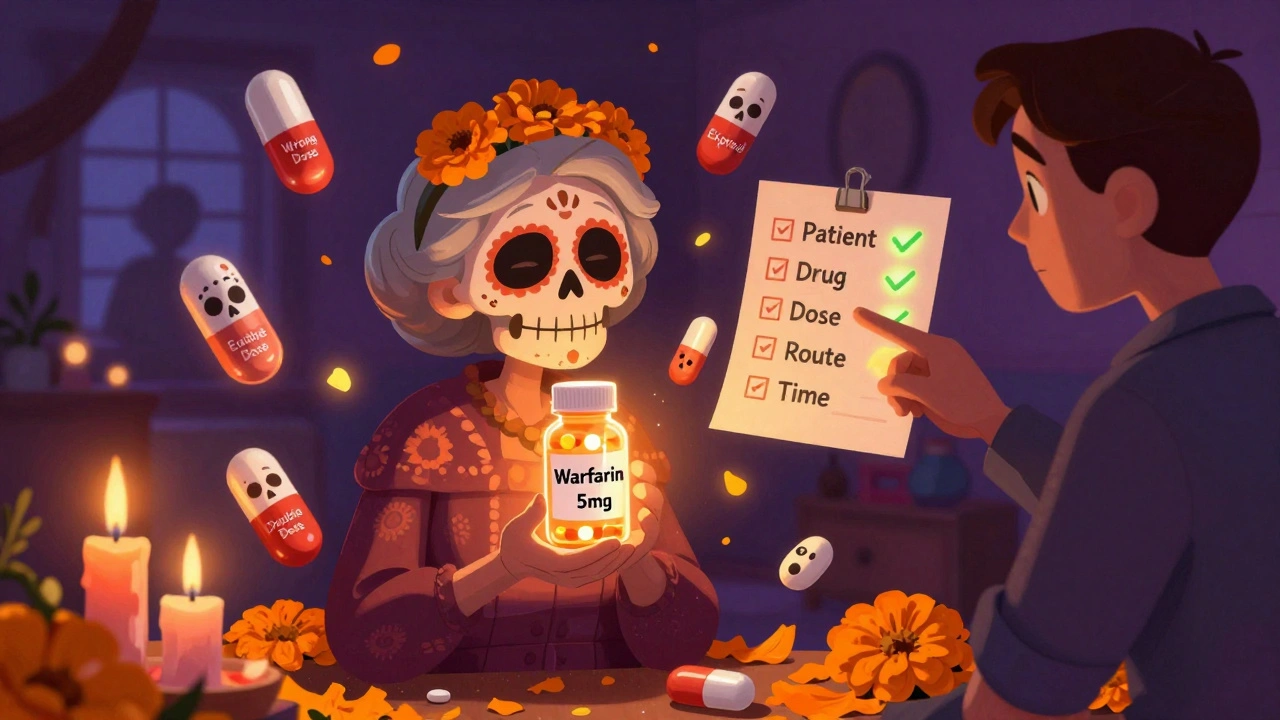
Senior Drug Safety: Protecting Older Adults from Dangerous Medication Risks
When it comes to senior drug safety, the practice of preventing harmful medication effects in older adults through careful prescribing, monitoring, and education. Also known as geriatric pharmacotherapy, it’s not just about giving the right pill—it’s about avoiding the ones that could kill. People over 65 take an average of four prescription drugs a day, and nearly 20% take ten or more. That’s not just common—it’s dangerous. Every extra pill increases the chance of a bad reaction, a fall, or a trip to the ER. And most of these risks aren’t from new or fancy drugs. They’re from old standbys—blood pressure pills, painkillers, sleep aids—that doctors and patients assume are harmless.
Polypharmacy, the use of multiple medications at once, especially when unnecessary, is the biggest threat to senior drug safety. It’s not the number of drugs alone—it’s the combinations. A statin and a blood thinner together? Fine. Add a muscle relaxant and an antihistamine? Now you’ve got dizziness, confusion, and a 40% higher risk of falling. Then there’s drug interactions, when one medication changes how another works in the body. A common antibiotic like clarithromycin can turn a routine colchicine dose into a poison. Or heat from a hot shower can make a fentanyl patch leak too much medicine into the bloodstream. These aren’t rare events. They happen every day because no one checks the full list.
Pharmacogenomics, how your genes affect how your body processes drugs, plays a bigger role in seniors than most realize. Someone with a CYP2D6 gene variant might turn codeine into morphine too fast—leading to overdose. Another person with HLA-B*15:02 could have a life-threatening skin reaction to carbamazepine. These aren’t theoretical risks. They’re real, testable, and often ignored. And yet, most doctors never check a senior’s genetic profile before prescribing. Why? Because it’s not standard. But it should be.
Seniors aren’t just older versions of adults. Their kidneys and liver don’t clear drugs the same way. Their bodies hold onto meds longer. Their brains are more sensitive to sedatives. And they’re more likely to take supplements—milk thistle, fish oil, feverfew—that quietly interfere with prescriptions. A simple herb can raise blood pressure meds to toxic levels. A daily omega-3 might thin the blood too much when paired with warfarin. These aren’t edge cases. They’re routine.
What you’ll find below isn’t theory. It’s real stories of what goes wrong—and how to fix it. From how heat turns fentanyl patches into death traps, to why certain antibiotics should never be mixed with colchicine, to how genetic testing can prevent disasters before they start. These aren’t abstract warnings. They’re survival guides written by people who’ve seen the damage. If you or someone you love is on more than three pills, you need to read this.