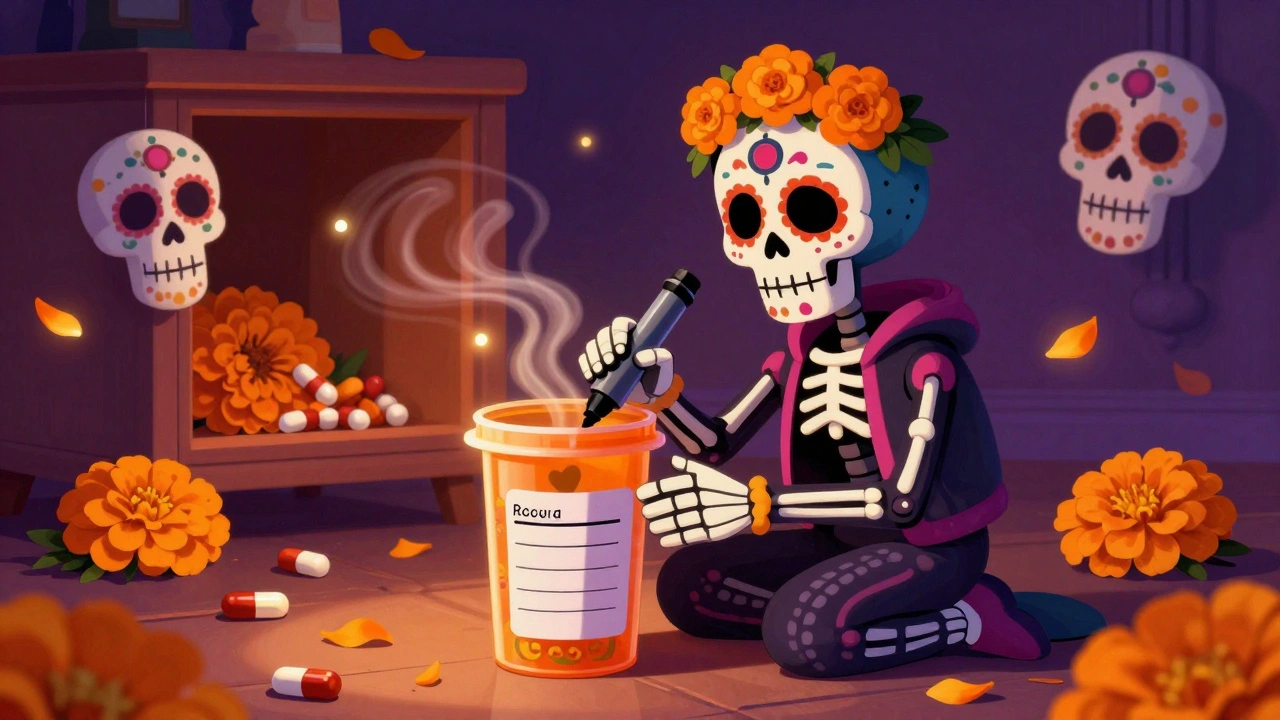
Safe Medication Disposal: How to Get Rid of Old Pills Without Risk
When you have unused or expired medicines sitting in your medicine cabinet, you’re not just holding onto pills—you’re holding a potential hazard. Safe medication disposal, the process of properly getting rid of pharmaceuticals to prevent harm to people and the environment. Also known as drug disposal, it’s not just about cleaning out your cabinet—it’s about stopping accidental poisonings, preventing misuse, and keeping toxins out of water supplies. The FDA and CDC agree: flushing pills down the toilet or tossing them in the trash without precautions is risky. Even a single leftover painkiller can end up in the hands of a curious child, a teenager experimenting, or a pet that gets into the trash.
Pharmacy take-back programs, official drug collection sites run by pharmacies or law enforcement. Also known as drug drop-off locations, these are the safest way to dispose of most medications, including opioids and other controlled substances. Many pharmacies, hospitals, and police stations offer free, secure drop boxes where you can leave old prescriptions without questions asked. If you’re not sure where to go, check your local health department website or call your pharmacy. For those without nearby options, the FDA Flush List, a short list of medications that can be safely flushed due to high risk of abuse or overdose if ingested accidentally includes drugs like fentanyl patches, oxycodone, and certain ADHD medications. These are exceptions—only flush what’s on this list. For everything else, mixing pills with dirt, coffee grounds, or cat litter in a sealed container before throwing them away is the next best step.
Don’t forget about patches, liquids, and inhalers. Fentanyl patches still contain dangerous doses even after use—fold them in half with the sticky sides together before disposal. Liquid medications should be poured into a sealable container with an absorbent material like sawdust or paper towels. Inhalers? Never puncture or throw them in the fire—they can explode. Check with your pharmacy for special disposal instructions.
Why does this matter? Because over 90% of people who misuse prescription painkillers get them from friends or family—often from medicine cabinets. And every year, thousands of accidental poisonings happen because someone didn’t know how to get rid of old meds. Controlled substance disposal, the secure handling of opioids, benzodiazepines, and other high-risk drugs isn’t optional—it’s a responsibility. It’s not just about following rules. It’s about protecting your kids, your neighbors, and your community.
What you’ll find below are real, practical guides on how to handle specific medications safely—from fentanyl patches and insulin to antibiotics and supplements. You’ll learn what to do when no take-back program is nearby, how to read expiration dates correctly, and why some pills should never be saved for "next time." These aren’t theoretical tips. They’re based on what doctors, pharmacists, and poison control centers actually recommend today.