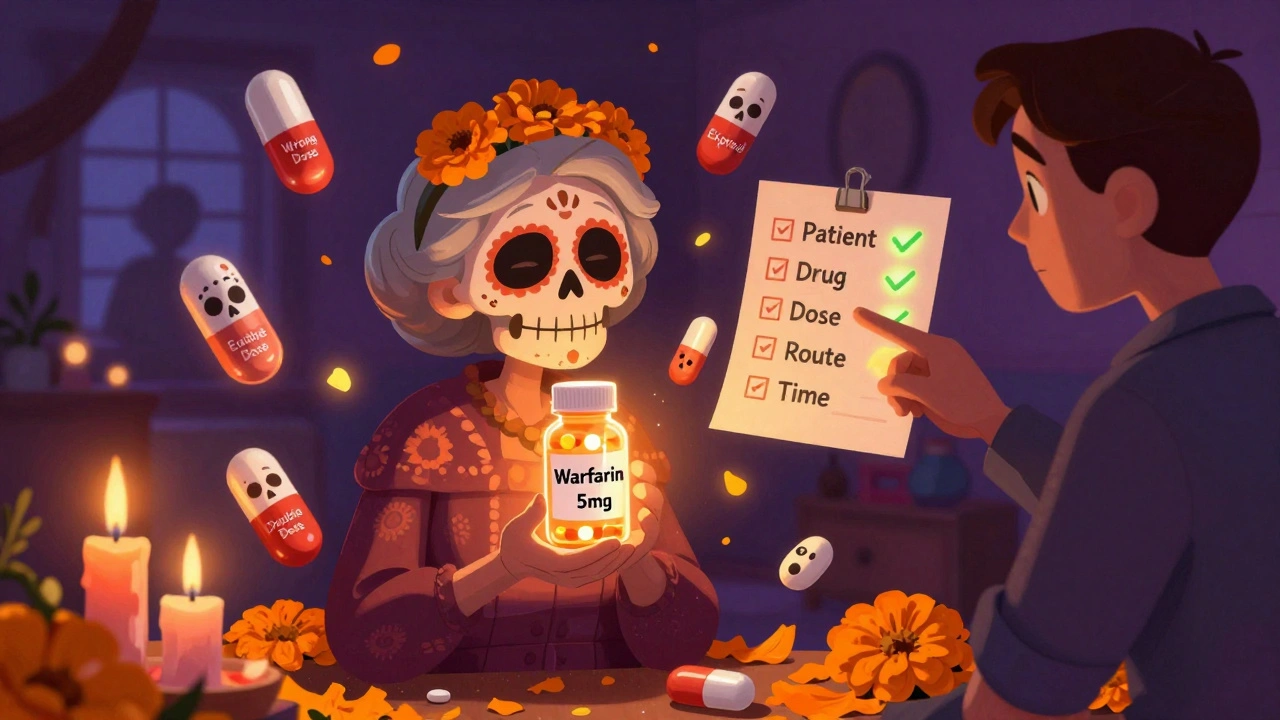
Report Medication Mistakes: How to Spot, Track, and Prevent Dangerous Errors
When you report medication mistakes, you’re not just filing a complaint—you’re helping stop preventable harm before it happens. Also known as adverse drug events, these errors include wrong doses, dangerous interactions, missed refills, or taking the wrong pill because labels look alike. They happen in hospitals, pharmacies, and at home—and they’re far more common than most people realize.
These mistakes don’t just come from careless pharmacists or busy doctors. They often start with poor communication: a patient forgets to mention their fish oil supplement, a nurse misreads a handwritten script, or someone takes colchicine with clarithromycin without knowing the risk. Medication reconciliation, the process of comparing a patient’s current meds to what’s been prescribed, is one of the most effective ways to catch these errors—especially after hospital discharge. And when you keep a personal medication list, a simple, updated record of every pill, patch, and supplement you take, you give yourself a safety net. That list becomes your tool when you talk to your doctor, pharmacist, or even when you need to report a mistake to the FDA.
Some mistakes are small—like taking a double dose of ibuprofen by accident. Others are deadly—like a fever turning a fentanyl patch into a poison. Heat, genetics, alcohol, pregnancy, and even milk thistle can change how your body handles drugs. That’s why knowing your own risks matters. If you’re on statins, blood pressure meds, or anything metabolized by CYP3A4, you need to know what can interfere. The same goes for people with HLA-B*15:02 or CYP2D6 variants—your genes might make a common drug dangerous.
Reporting isn’t about blaming. It’s about fixing systems. When you report a mistake, you help the FDA track recalls, you push pharmacies to improve labeling, and you protect others who might be in the same situation. You don’t need to be a doctor or a nurse to do it. If you’ve ever thought, "Wait, that doesn’t seem right," you’ve already spotted a potential error. Now it’s time to act.
Below, you’ll find real stories and science-backed guides on exactly how these mistakes happen—and how to stop them. From dangerous drug interactions to what to include on your medication list, these posts give you the tools to speak up, stay safe, and make sure your meds work for you—not against you.