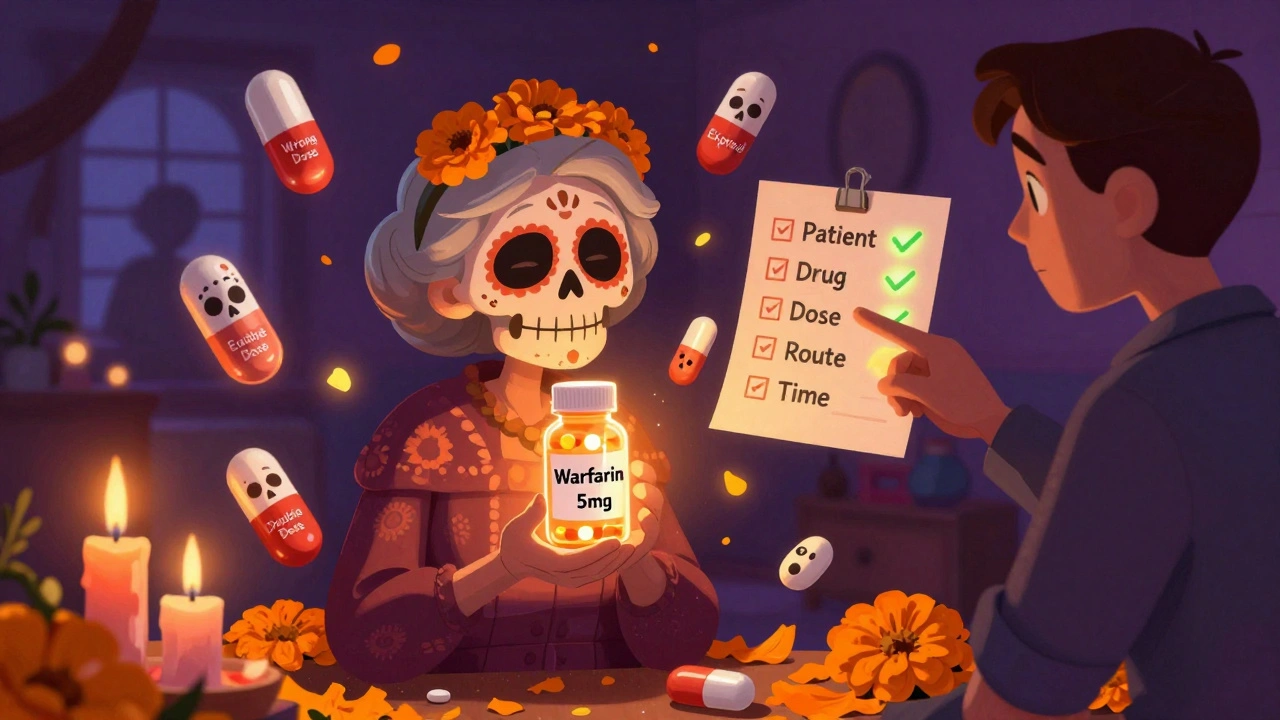
Medication Safety for Seniors: Protecting Older Adults from Dangerous Drug Risks
When it comes to medication safety for seniors, the unique way aging bodies process drugs makes even common prescriptions potentially dangerous. Also known as geriatric pharmacology, this field focuses on how metabolism slows, kidney function declines, and multiple conditions overlap—turning simple drug regimens into ticking time bombs. A 70-year-old taking five prescriptions isn’t unusual. But that same person might also be using garlic pills, fish oil, or melatonin, none of which show up on a doctor’s checklist. The result? A hidden storm of interactions that can cause falls, confusion, or worse.
One of the biggest threats is polypharmacy, the use of multiple medications at once, often without proper review. Also known as multiple drug use, it’s not just about quantity—it’s about combinations that shouldn’t be together. For example, taking a common painkiller like ibuprofen with a blood pressure pill can crash kidney function. Or mixing a sleep aid with an antihistamine from an OTC cold medicine can leave someone disoriented and prone to falls. These aren’t rare cases. Studies show nearly 40% of seniors on five or more drugs have at least one potentially dangerous interaction. And many of these drugs were prescribed by different doctors, with no one looking at the full picture. Another silent risk is drug interactions in elderly, how older bodies react differently to medicines because of reduced liver and kidney clearance. Also known as age-related drug sensitivity, this means even a standard dose of a drug like diazepam or warfarin can build up to toxic levels. What’s safe for a 40-year-old can be deadly for a 75-year-old. And because symptoms like dizziness, memory lapses, or fatigue are often blamed on aging itself, the real cause goes unnoticed. Then there’s senior medication management, the daily system—or lack of one—that keeps pills organized, doses on time, and refills tracked. Also known as medication adherence in older adults, this is where simple tools like pill organizers or phone reminders can mean the difference between health and hospitalization. But many seniors don’t know how to read labels, or they skip doses because the pills cost too much. Others forget what each pill is for, leading to accidental double-dosing.
What you’ll find in the posts below isn’t theory—it’s real-world risk and repair. You’ll see how heat can turn a fentanyl patch into a fatal overdose, why colchicine and certain antibiotics can stop a heart, and how genetic differences make some seniors react badly to drugs others handle fine. You’ll learn how to build a medication list that actually saves lives, when to question a new prescription, and how to spot red flags in pharmacy labels. This isn’t about scaring you. It’s about giving you the tools to ask the right questions, spot hidden dangers, and keep older adults safe—one pill at a time.