IBS Symptoms: What They Are, What Triggers Them, and How to Manage Them
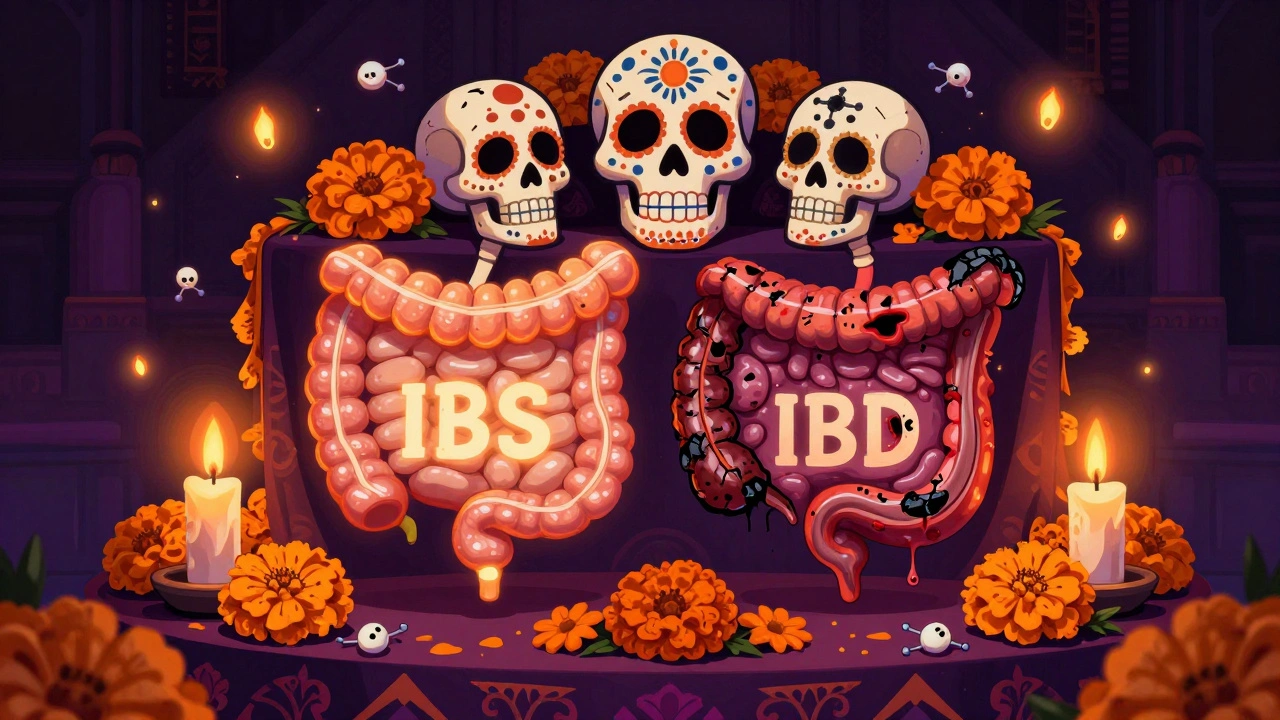
When you have irritable bowel syndrome, a common functional disorder of the digestive system that causes recurring abdominal pain and altered bowel habits without visible damage. Also known as spastic colon, it doesn’t show up on scans or blood tests—but the pain and discomfort are very real. People with IBS often describe it as a mix of cramps, bloating, and sudden urges to use the bathroom. Some days are fine. Other days, even a small meal feels like a battle. It’s not just "a sensitive stomach." It’s your gut sending signals your brain can’t ignore.
What makes IBS symptoms worse? food triggers, specific foods that provoke gut reactions in sensitive individuals, often linked to FODMAPs or fermentation in the intestines like onions, garlic, dairy, or artificial sweeteners. Stress is another big one—your gut and brain are wired together, so anxiety can turn a quiet gut into a storm. And bowel pain, the sharp or cramping discomfort tied to IBS, often relieved after a bowel movement isn’t just discomfort—it’s your nervous system overreacting to normal gut movements. These aren’t random flares. They follow patterns, and once you learn them, you can start to control them.
There’s no cure, but many people find real relief by tracking what they eat, how they sleep, and how stressed they feel. Some find help with low-FODMAP diets. Others benefit from simple changes like chewing slower or avoiding large meals. The key is noticing what happens after you eat, drink, or feel overwhelmed. You’re not alone—millions live with this, and the tools to manage it are out there. Below, you’ll find real-world advice from people who’ve been there: how certain meds work, what supplements help or hurt, and how to avoid common mistakes that make symptoms worse. This isn’t theory. It’s what actually works when you’re stuck on the couch because your gut won’t calm down.