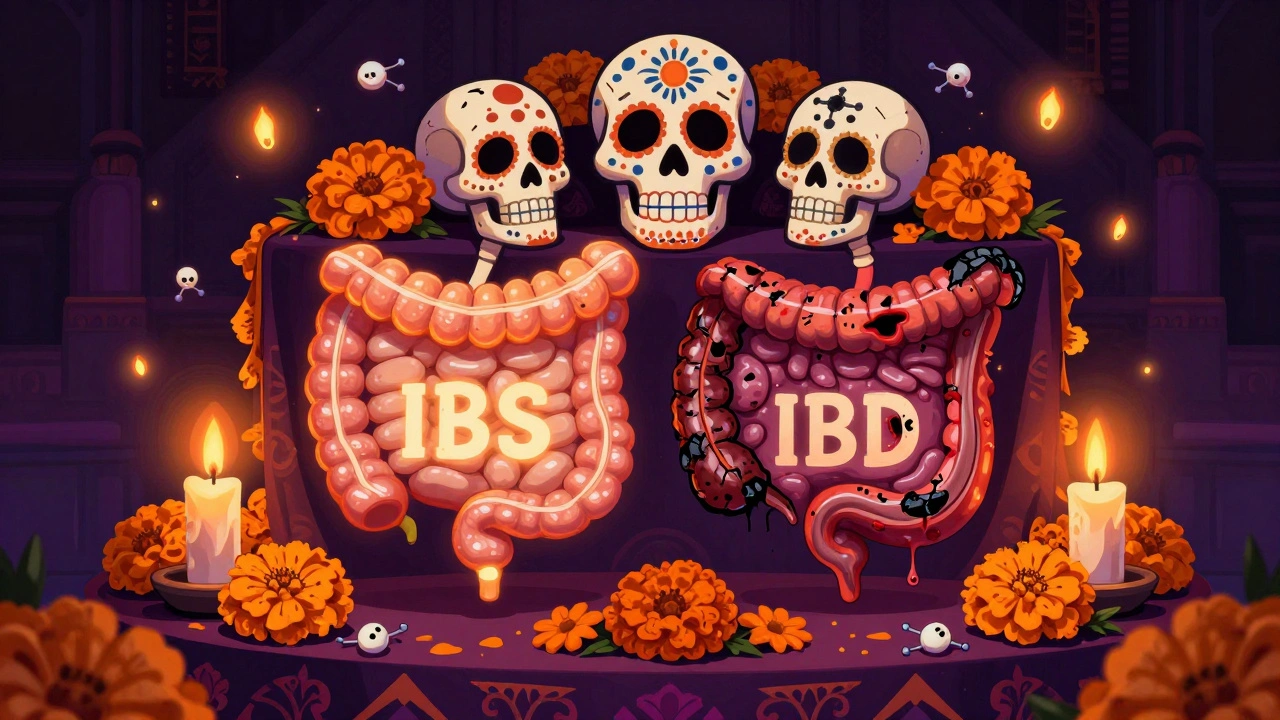
IBD Symptoms: What to Watch For and When to Seek Help
When your gut won’t stop hurting, bloating, or acting up—especially if it’s been going on for weeks or months—you might be dealing with inflammatory bowel disease, a group of chronic conditions causing inflammation in the digestive tract. Also known as IBD, it’s not the same as irritable bowel syndrome. IBD includes Crohn’s disease, a condition that can affect any part of the GI tract from mouth to anus and ulcerative colitis, an inflammation limited to the colon and rectum. These aren’t temporary annoyances. They’re long-term diseases that can lead to serious complications if ignored.
Common IBD symptoms include persistent diarrhea, often with blood or mucus, cramping that doesn’t go away with bowel movements, unexplained weight loss, and constant fatigue. Some people feel feverish or have joint pain, skin rashes, or eye irritation—signs the inflammation is spreading beyond the gut. Kids with IBD might stop growing normally. These symptoms don’t show up all at once or the same way for everyone. One person might have mild cramps and occasional diarrhea; another might end up in the hospital from severe bleeding or blockage. What ties them together is persistence. If your stomach issues keep coming back, or get worse over time, it’s not just stress or bad food. It’s your body signaling something deeper.
Many people wait months—or even years—before getting tested, thinking it’s just a sensitive stomach or food intolerance. But delaying care can lead to strictures, fistulas, or increased cancer risk. Tracking your symptoms—what you eat, when you feel pain, how often you go to the bathroom—helps doctors spot patterns. Blood tests, stool samples, and scopes like colonoscopy are how you get a real diagnosis. The posts below cover what these symptoms really mean, how they’re linked to other conditions like liver disease or drug reactions, and what treatments actually work. You’ll find real-world advice on managing flare-ups, spotting red flags, and understanding how medications like corticosteroids or biologics can help—or make things worse. This isn’t guesswork. It’s what people with IBD, their families, and their doctors need to know to take control.