Genetic Drug Side Effects: How Your DNA Affects Medication Reactions
When a drug causes unexpected side effects, it’s often not your fault—it’s your genetics, the inherited biological code that determines how your body processes medications. Also known as pharmacogenomics, this field explains why one person can take a standard dose of a drug with no issues, while another ends up in the hospital from the same pill. Your genes control the enzymes that break down medicines, the receptors they bind to, and even how your immune system reacts. This isn’t theoretical—it’s happening right now in millions of people who don’t know why they feel sick after taking a common prescription.
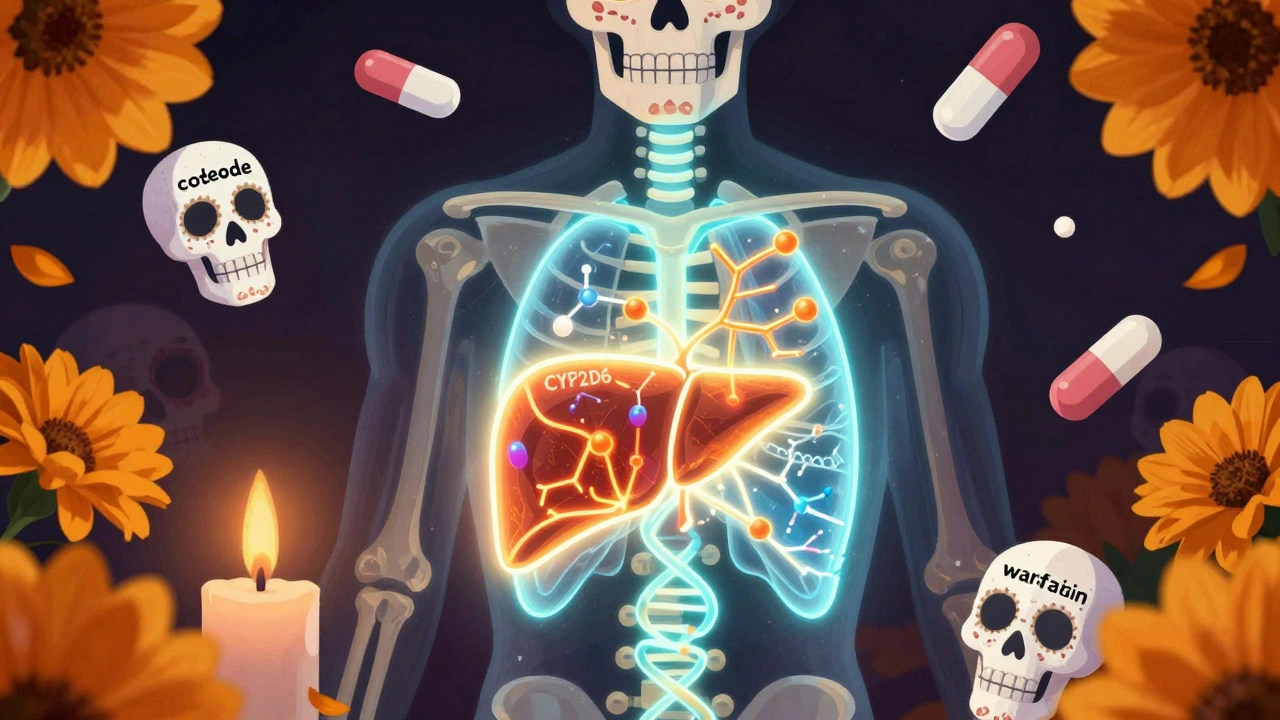
Take CYP450 enzymes, a family of liver proteins responsible for metabolizing over 75% of all drugs. If you have a slow version of CYP2D6, drugs like codeine, antidepressants, or beta-blockers can build up to toxic levels. On the flip side, if you’re a fast metabolizer, those same drugs might not work at all. This isn’t rare—up to half of all people have at least one genetic variation that affects how they respond to medication. And it’s not just about liver enzymes. pharmacogenomics, the science of linking genes to drug responses also explains why some people get severe skin reactions from carbamazepine, or why warfarin doses vary wildly between individuals.
These aren’t just academic concerns. They’re daily risks in hospitals, clinics, and your own medicine cabinet. The genetic drug side effects you see in posts about colchicine and macrolides, or milk thistle and liver enzymes, all tie back to this same root cause: your DNA decides how your body handles chemicals. Even something as simple as fish oil or fentanyl patches can behave differently in people with certain gene variants. The same drug that helps your neighbor might harm you—not because of dosage, but because of your unique biology.
What you’ll find below are real-world stories and science-backed guides that show how genetic differences shape drug safety. From how heat affects fentanyl absorption in people with certain metabolic profiles, to why some pregnant women can’t take common blood pressure meds, to how supplements like milk thistle interfere with liver enzymes—each post connects back to the same truth: your genes are the silent gatekeepers of your medication safety. You don’t need a lab test to start paying attention—you just need to know what to ask your doctor.