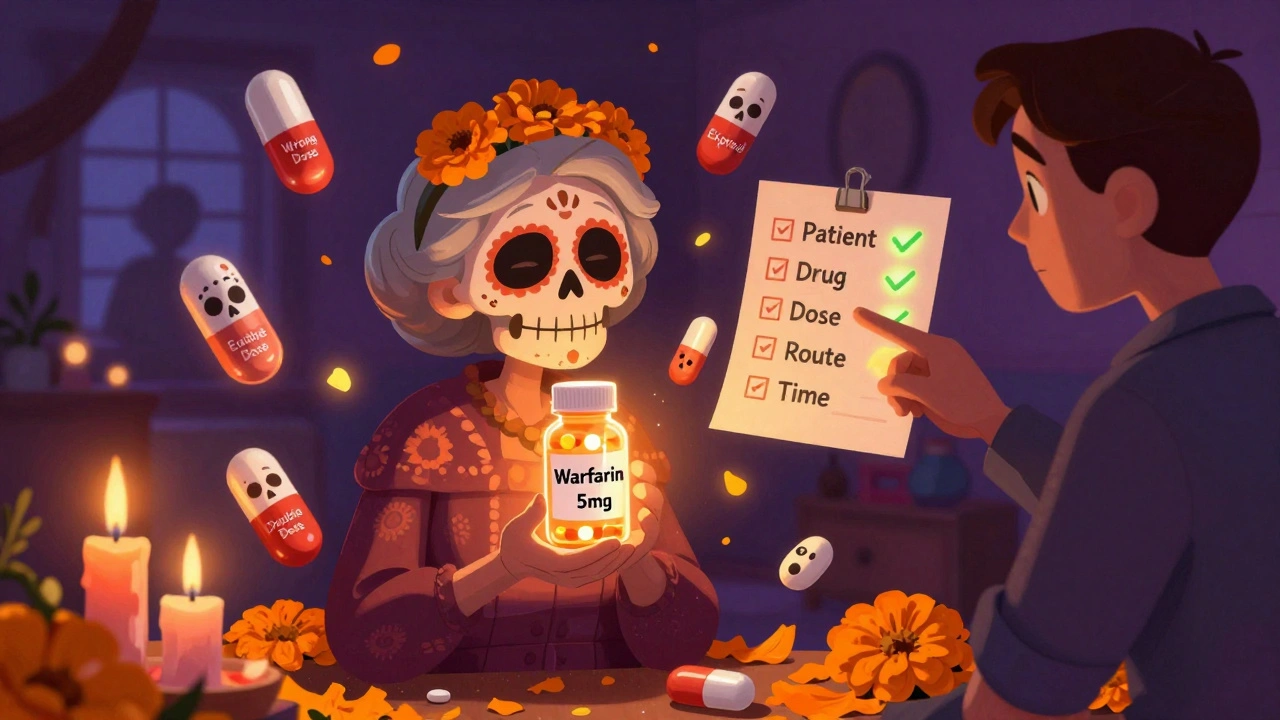
Elderly Medication Errors: Common Mistakes and How to Prevent Them
When older adults take multiple medications, elderly medication errors, mistakes in how seniors take, manage, or are prescribed drugs that lead to harm. Also known as drug mismanagement in aging populations, these errors are one of the most preventable causes of hospital stays in people over 65. It’s not just about forgetting a pill—it’s about interactions, wrong doses, confusing labels, and doctors missing how new drugs clash with old ones.
Many seniors take five or more prescriptions at once, a situation called polypharmacy, the use of multiple medications by a patient, often leading to increased risk of adverse effects. That’s not always a problem—but when a doctor prescribes a new blood pressure drug without checking what’s already on the list, or when a pharmacist doesn’t flag that a common painkiller can raise kidney risk in someone with heart failure, trouble follows. drug interactions in seniors, harmful combinations that occur when older bodies process medications differently are especially dangerous because aging liver and kidneys can’t clear drugs the way they used to. A simple antibiotic like clarithromycin, safe for a 30-year-old, can turn deadly when mixed with colchicine or statins in someone over 75.
One of the biggest hidden risks? medication reconciliation, the process of comparing a patient’s current medications to what’s been prescribed to avoid errors during transitions of care. It’s supposed to happen when someone leaves the hospital, but too often, it doesn’t. A patient walks out with six new pills, forgets to tell their primary doctor, and ends up taking two drugs that both lower blood pressure too much. Or worse—they’re given a fentanyl patch and don’t know heat from a heating pad can cause overdose. These aren’t rare cases. They’re daily occurrences in homes, nursing facilities, and ERs.
The good news? Most of these errors can be stopped with simple steps. Keeping a written list of every pill, supplement, and patch—updated every time something changes—is the single most effective tool. Talking to the pharmacist, not just the doctor, helps catch clashes no one else sees. And asking, "What happens if I miss a dose?" or "Can this interact with my other meds?" can save a life. You don’t need to be a medical expert. You just need to be careful, curious, and loud enough to be heard.
Below, you’ll find real stories and science-backed advice on how seniors, caregivers, and families can cut down on dangerous mistakes. From spotting the most common culprits to understanding why some drugs are riskier after 70, these posts give you the facts you need to act—before it’s too late.