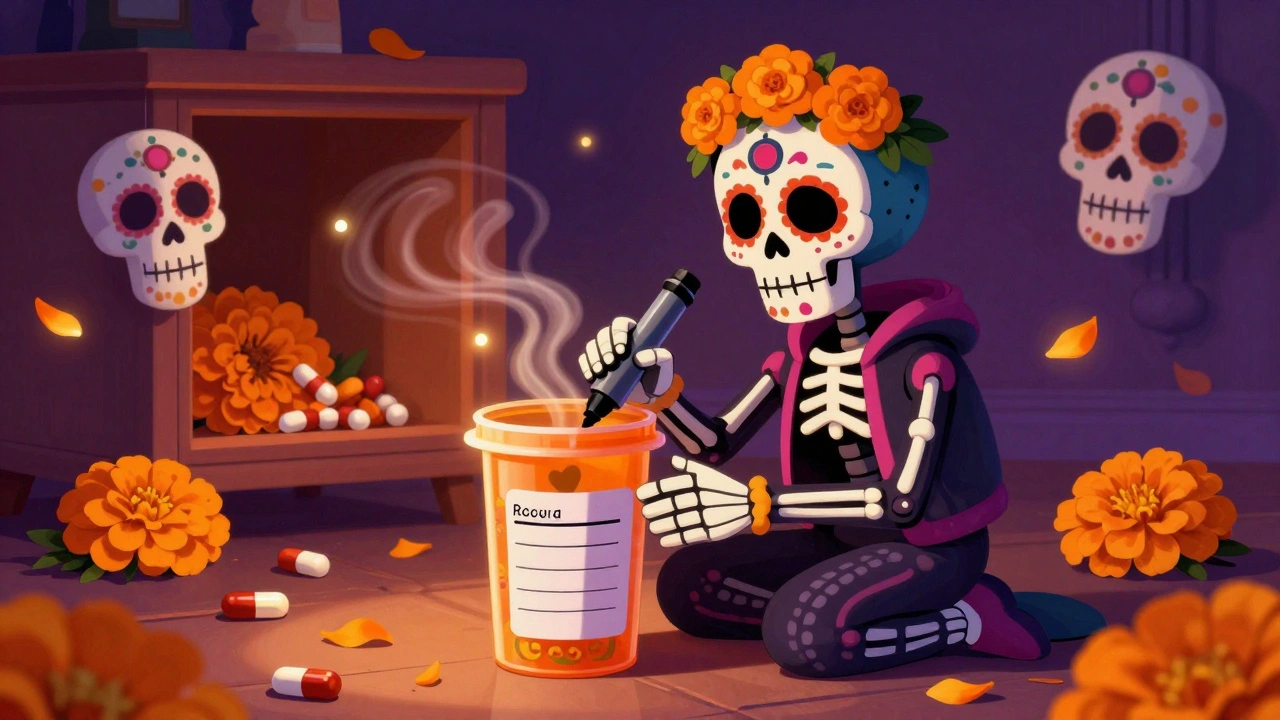
Drug Take-Back: Safe Disposal of Unused Medications
When you have leftover pills sitting in your medicine cabinet, you’re not just holding onto old medicine—you’re holding a risk. drug take-back, a system for collecting and safely destroying unused or expired medications. Also known as medication disposal programs, it’s the only way to make sure these drugs don’t end up in the wrong hands, in your water supply, or in a child’s mouth. Flushing them down the toilet or tossing them in the trash might seem easy, but it’s dangerous. The EPA and FDA both warn that improper disposal contributes to drug abuse, environmental pollution, and accidental poisonings.
Think about how many people in your household might be on meds: painkillers, antidepressants, blood pressure pills, antibiotics. Even if they’re not addictive, they can still harm someone who shouldn’t have them. A 2023 CDC report found that over half of people who misused prescription opioids got them from friends or family—often from old bottles left in the bathroom. And it’s not just about theft. When meds break down in landfills, chemicals leach into soil and groundwater. One study tracked traces of antidepressants and birth control hormones in rivers near urban areas. pharmaceutical waste, the leftover drugs that aren’t used and aren’t properly disposed of. That’s where drug take-back, a system for collecting and safely destroying unused medications. comes in. These programs are run by pharmacies, hospitals, police stations, and even some grocery stores. You drop off your old pills—no questions asked—and they’re incinerated under strict environmental controls.
It’s not just about throwing away pills. It’s about protecting your kids, your neighbors, your local water, and even future generations. If you’ve ever wondered why your prescription bottle says "Do not flush," now you know. medication disposal, the process of safely getting rid of unused or expired drugs. isn’t a suggestion—it’s a responsibility. And the best part? It’s free, easy, and available in most communities. You don’t need a receipt. You don’t need to remove labels. Just bring the bottle, or even just the pills in a sealed bag, to your nearest drop-off point.
What you’ll find in this collection are real stories and practical guides on how to handle old meds safely. From how to find a take-back location near you, to what to do if your town doesn’t have one, to why some drugs are still labeled for flushing (and which ones those are). You’ll also learn how to talk to aging parents about clearing out their medicine cabinets, how to protect pets from accidental ingestion, and why even one leftover opioid can be deadly in the wrong hands. These aren’t theoretical warnings—they’re lessons from families who’ve been through it, pharmacists who’ve seen the damage, and public health workers who are trying to fix it.