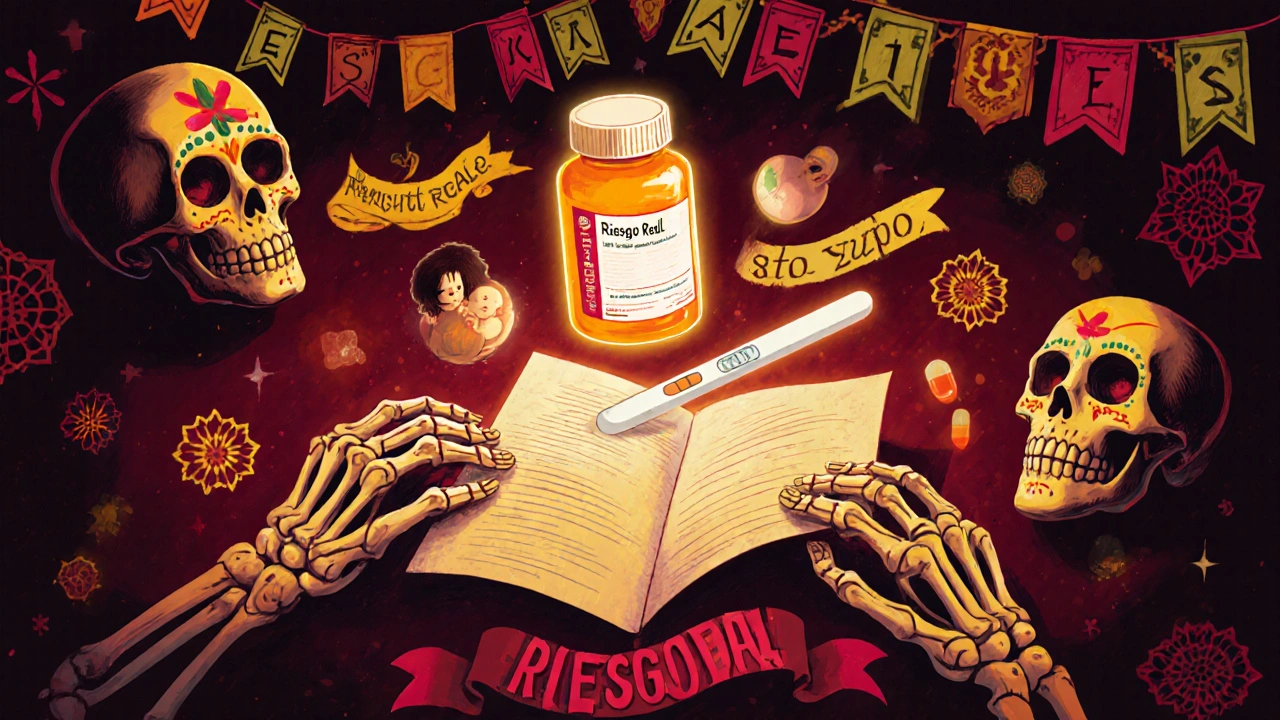
Drug Safety During Pregnancy: What You Need to Know Before Taking Any Medication
When you're pregnant, drug safety during pregnancy, the practice of choosing medications that won’t harm the developing baby. Also known as prenatal medication safety, it’s not just about avoiding pills—it’s about understanding how even common OTC drugs, herbal supplements, and prescription treatments can cross the placenta and affect fetal development. Many people assume that if a medicine is sold over the counter or prescribed by a doctor, it’s automatically safe during pregnancy. That’s not true. Some pain relievers, antihistamines, antibiotics, and even natural remedies like milk thistle or feverfew can interfere with organ formation, growth, or brain development—especially in the first trimester.
It’s not just about the drug itself. Your body changes during pregnancy: your liver processes meds differently, your kidneys filter faster, and hormone shifts can alter how drugs behave. That’s why a dose that’s safe before pregnancy might be risky now. fetal drug exposure, the amount and timing of a medication reaching the unborn child matters more than you think. A single dose of ibuprofen in week 20 could reduce amniotic fluid; a course of certain antibiotics might affect bone or tooth development. Even something as simple as a cold tablet with pseudoephedrine could raise blood pressure in ways that impact placental flow. And while some drugs are clearly dangerous—like isotretinoin for acne—others have murky data. That’s why you need to talk to your provider before taking anything, even if you’ve used it before.
prescription safety in pregnancy, the process of evaluating whether a medication’s benefits outweigh potential risks for both mother and baby isn’t just about avoiding harm—it’s about managing real health needs. Untreated depression, uncontrolled high blood pressure, or severe allergies can be just as risky as the meds used to treat them. That’s why the goal isn’t to stop all drugs, but to pick the safest option for your situation. Some drugs have decades of safe use in pregnancy, like certain types of insulin or prenatal vitamins with folic acid. Others have clear warnings, like SSRIs that may slightly increase the risk of persistent pulmonary hypertension in newborns. The key is knowing which ones fall into each category—and when to switch.
You’ll find real stories here: how one mom switched from a risky migraine med to a safer alternative after her doctor flagged the danger. How another avoided a dangerous interaction between her thyroid drug and a common prenatal supplement. How someone learned that their favorite herbal tea contained an herb linked to early contractions. These aren’t hypotheticals. They’re based on real cases, updated guidelines, and what actual patients have experienced. This collection gives you the facts you need to ask better questions, spot red flags, and make choices that protect both you and your baby—without unnecessary fear or guesswork.