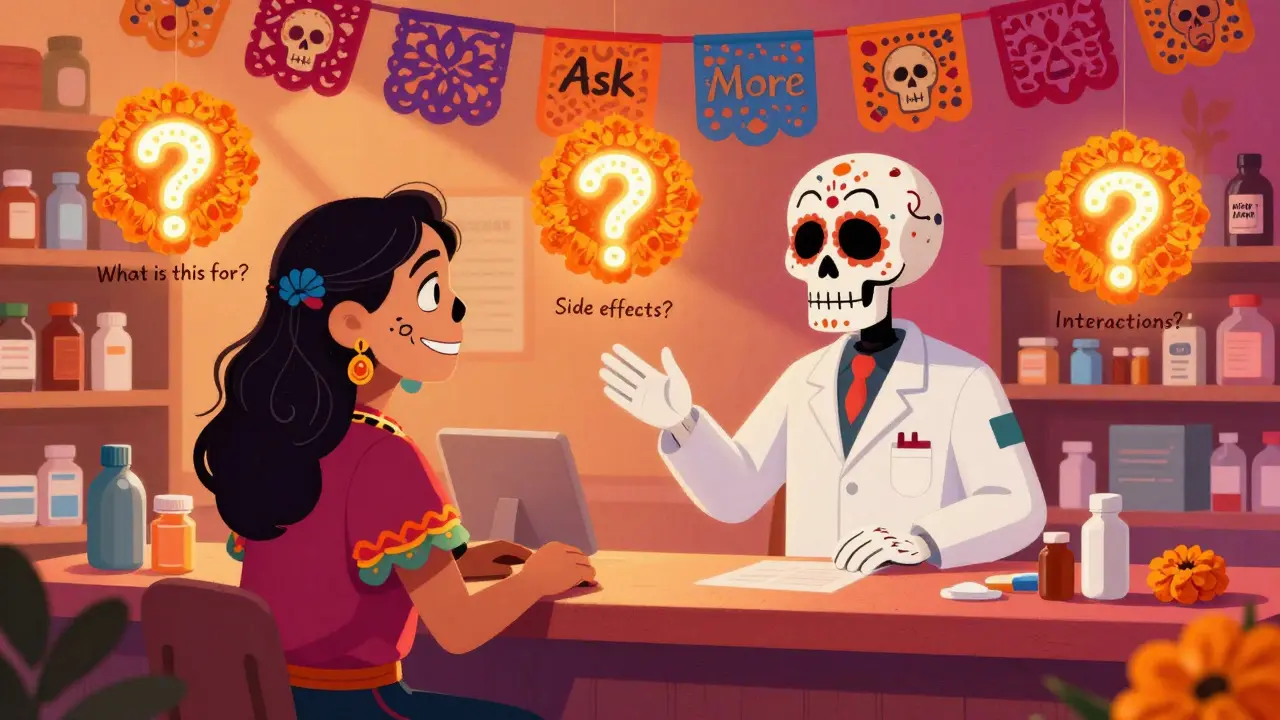
Drug Interactions: What You Need to Know to Stay Safe
When you take more than one medication, drug interactions, harmful or unexpected effects that happen when two or more drugs react inside your body. Also known as medication interactions, they can turn a safe treatment into a serious risk—even if every drug was prescribed correctly. This isn’t rare. Nearly 40% of adults in the U.S. take five or more medications, and each extra pill increases the chance of something going wrong. It’s not just about prescriptions. Your daily aspirin, your herbal tea, your vitamin D supplement—they all play a part.
Prescription drugs, medications approved by health authorities for treating specific conditions. Also known as Rx medications, they’re often the main source of interactions. But OTC medications, drugs you can buy without a prescription, like pain relievers or antacids. Also known as over-the-counter drugs, they’re just as dangerous when mixed wrong. Take ibuprofen with blood pressure pills? You might raise your risk of kidney damage. Combine melatonin with sedatives? You could end up too drowsy to drive. Even something as simple as grapefruit juice can block how your body breaks down statins, leading to muscle damage. And don’t forget drug accumulation, when a medication builds up in your system over time because your body can’t clear it fast enough. Also known as cumulative toxicity, it’s why older adults often feel side effects after years of taking the same pill. It’s not magic—it’s chemistry. Your liver and kidneys aren’t perfect filters. They get tired. They get overwhelmed. And when they do, side effects creep in slowly: dizziness, confusion, nausea, fatigue. These aren’t just "normal aging" symptoms. They could be your body screaming for help.
That’s why keeping a personal medication list—every pill, every supplement, every herb—isn’t optional. It’s your lifeline. Doctors and pharmacists can’t guess what you’re taking. They need the full picture. And when you walk into a pharmacy or ER, that list can prevent a life-threatening mistake. The posts below give you real, actionable ways to protect yourself: how to spot hidden interactions, why some generic combos get denied by insurance, how antibiotics mess with your gut, and what to do when steroids spike your blood sugar. You’ll find guides on managing meds after hospital discharge, understanding pregnancy labels, and even how to time your probiotics so they actually help. This isn’t theory. These are the stories of people who got caught off guard—and what they learned the hard way. Read them. Use them. Your health depends on it.