
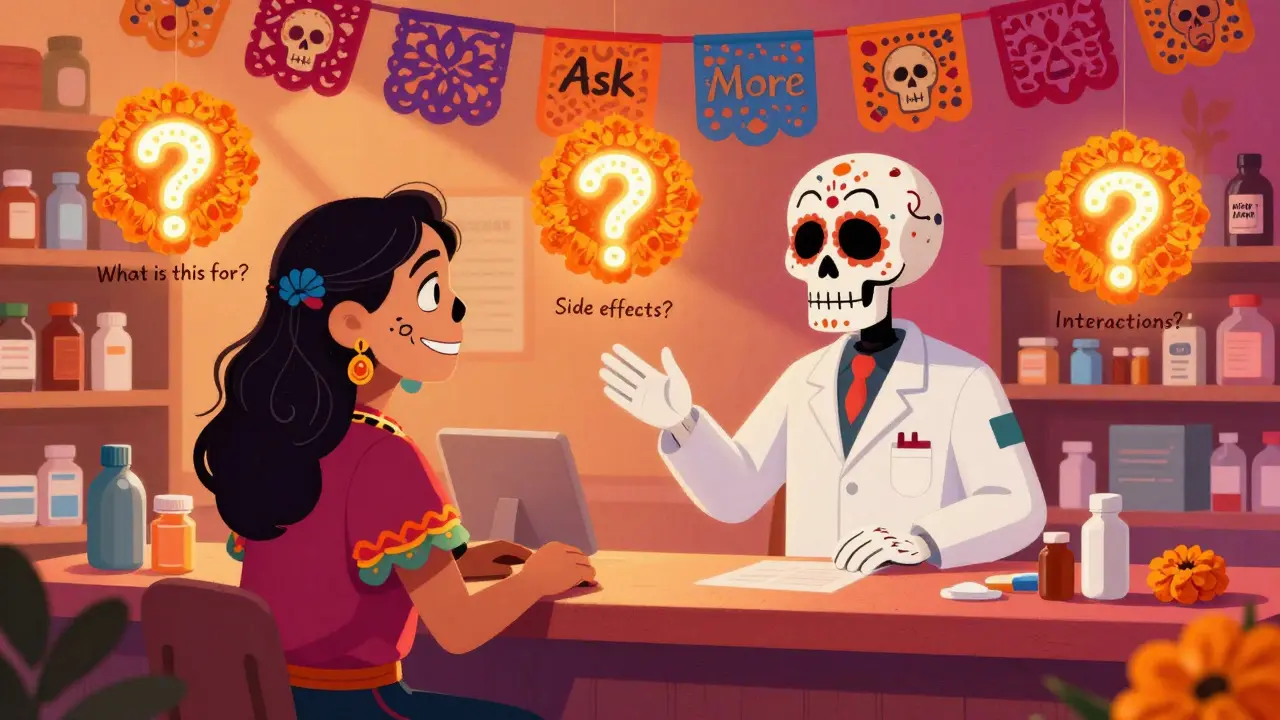
Every year, over 1.5 million people in the U.S. are harmed by medication errors. Many of these mistakes happen because patients don’t ask the right questions at the pharmacy. You might think your pharmacist just fills the prescription and hands you the bottle. But they’re actually your last line of defense against dangerous drug interactions, incorrect dosing, and hidden risks. The truth? Pharmacists catch harmful mistakes in about 89% of cases where they’re given the chance to speak with you. You just need to know what to ask.
What is this medication used for?
This seems obvious, but it’s one of the most overlooked questions. Many patients leave the pharmacy with a bottle they don’t fully understand. You might be told it’s for "high blood pressure," but what does that actually mean for you? Is it lowering your pressure to prevent a stroke? Or is it helping your heart pump better? Knowing the purpose helps you recognize if the medication is working-or if something’s wrong. If you’re supposed to feel better in a week and you don’t, you’ll know to call your doctor. If you’re told it’s for "inflammation," but you don’t have arthritis or a recent injury, you should double-check. This isn’t just about understanding the label-it’s about taking control of your health.How and when should I take this medication, including dosage instructions?
"Take one pill daily" sounds simple, but it’s rarely that easy. Some pills must be taken on an empty stomach. Others need food to be absorbed properly. Some must be taken at the same time every day. Some are time-released and can’t be crushed. Some need to be taken with a full glass of water to avoid throat irritation. And don’t assume "once a day" means morning. If your doctor didn’t specify, ask. A 2023 study from Baystate Health found that 41% of patients took their blood pressure meds at the wrong time of day-some at night when they should’ve been in the morning-leading to spikes in pressure overnight. Even the timing of your dose can make the difference between safety and danger.What side effects should I expect and which require immediate medical attention?
All medications come with side effects. But not all side effects are equal. Some are mild-like a dry mouth or a headache-and fade after a few days. Others are warning signs. If you’re on a blood thinner and start bleeding from your gums, that’s not normal. If you’re taking an antibiotic and develop a rash that spreads, don’t wait. If you’re on a cholesterol drug and feel unexplained muscle pain, it could be a sign of a rare but serious condition. Your pharmacist can tell you what’s common versus what’s dangerous. The CDC says medication-related emergencies lead to over 100,000 ER visits each year. Many of these could’ve been avoided if patients knew what to watch for.Does this medication interact with my other medications, supplements, or foods?
This is where most mistakes happen. People think, "I only take one prescription." But most people also take vitamins, herbal teas, over-the-counter painkillers, or supplements. A 2022 analysis by SmithRx showed that combining ibuprofen with warfarin increases bleeding risk by 40-60%. That’s not a small chance-it’s a real danger. Even something as simple as grapefruit juice can mess with over 85 medications, including statins and blood pressure drugs. Herbal supplements like St. John’s Wort can make birth control, antidepressants, or transplant drugs ineffective. Your pharmacist has access to databases that flag every possible interaction. Bring everything you take-even the stuff you think doesn’t count. They’ve seen patients who didn’t realize their gummy multivitamin had iron in it, which interfered with their thyroid medicine.How should I store this medication properly?
You wouldn’t leave milk out on the counter for days. But many people do the same with their meds. Some pills need to be refrigerated. Others can lose effectiveness if they get too hot. Insulin, for example, can go bad if stored in a car glove compartment during summer. Antibiotics like amoxicillin can become useless if left in a humid bathroom. Some pills break down if exposed to light. Your pharmacist can tell you exactly where to keep each one. A 2024 Reddit thread from r/pharmacy featured a pharmacist who said she’d seen multiple cases where insulin was ruined because patients stored it in hot cars. That’s not just wasteful-it’s dangerous. If your medication doesn’t work because of poor storage, you’re at risk of worsening your condition.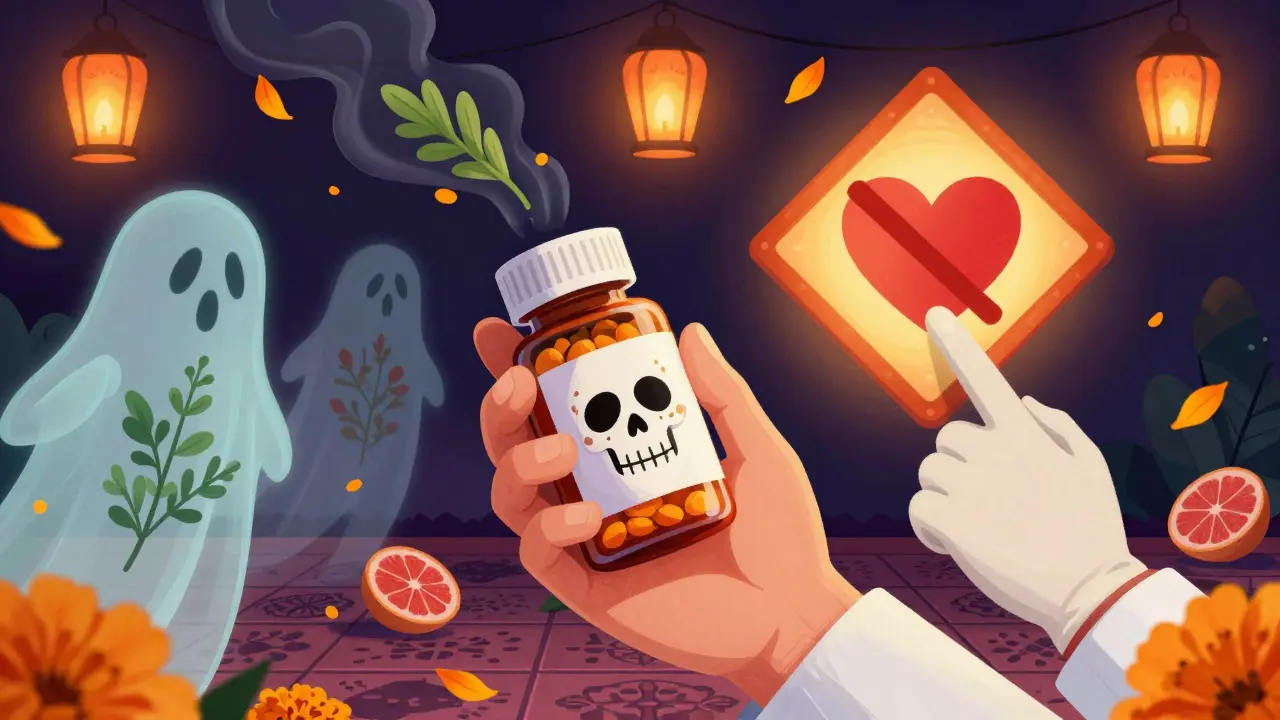
Is there any ingredient that might cause allergic reactions?
Allergies aren’t just about peanuts or shellfish. Medications can contain dyes, fillers, or preservatives that trigger reactions. Red dye #40, for example, is in some pills and can cause hives or swelling in sensitive people. Lactose is a common filler, and even small amounts can cause issues for those with severe intolerance. If you’ve had a reaction to any medication before, tell your pharmacist every time-even if it was years ago. Pocono Pharmacy’s 2023 guide says medication allergies cause over 106,000 emergency room visits annually. You might think, "I’ve taken this before," but manufacturers change formulas. A pill that was safe last year might have a new inactive ingredient this year. Don’t assume.May I repeat back what you just told me to make sure I understand?
This is the quiet game-changer. Ask your pharmacist: "Can I repeat back what you just said?" It sounds simple, but it works. A 2020 study in the Journal of the American Pharmacists Association found that patients who repeated instructions back had 31% fewer errors in how they took their meds. It’s not about doubting the pharmacist-it’s about making sure your brain heard it right. You might think you understood, but stress, noise, or complex terms can make you miss details. When you say, "So you’re saying take this with food, not on an empty stomach, and if I get dizzy, I should sit down and call my doctor," you’re locking in the information. Pharmacists at Pocono Pharmacy started using this "teach-back" method in 2023 and saw a 44% drop in medication-related readmissions.What should I do if I miss a dose?
It happens. You forget. You’re traveling. You’re sick. But what you do next matters. Some pills you can take right away. Others you should skip and wait for the next dose. Taking two at once can be dangerous. For example, if you miss a blood thinner dose, doubling up could cause bleeding. If you miss an antibiotic, skipping the next dose might let bacteria grow back stronger. Your pharmacist can give you a clear, personalized plan. Don’t guess. Don’t rely on internet searches. Ask.Are there cheaper or generic alternatives?
Cost is a real barrier. Many patients skip doses or split pills because they can’t afford their meds. But there are often cheaper options. Generic versions are just as safe and effective. Some medications have patient assistance programs. Others can be switched to a similar drug that’s covered better by your insurance. Pharmacists know which ones are interchangeable and which ones aren’t. A 2023 survey by the National Community Pharmacists Association found that 68% of patients who asked about cost savings ended up switching to a lower-cost option. Don’t assume you have to pay full price. Ask.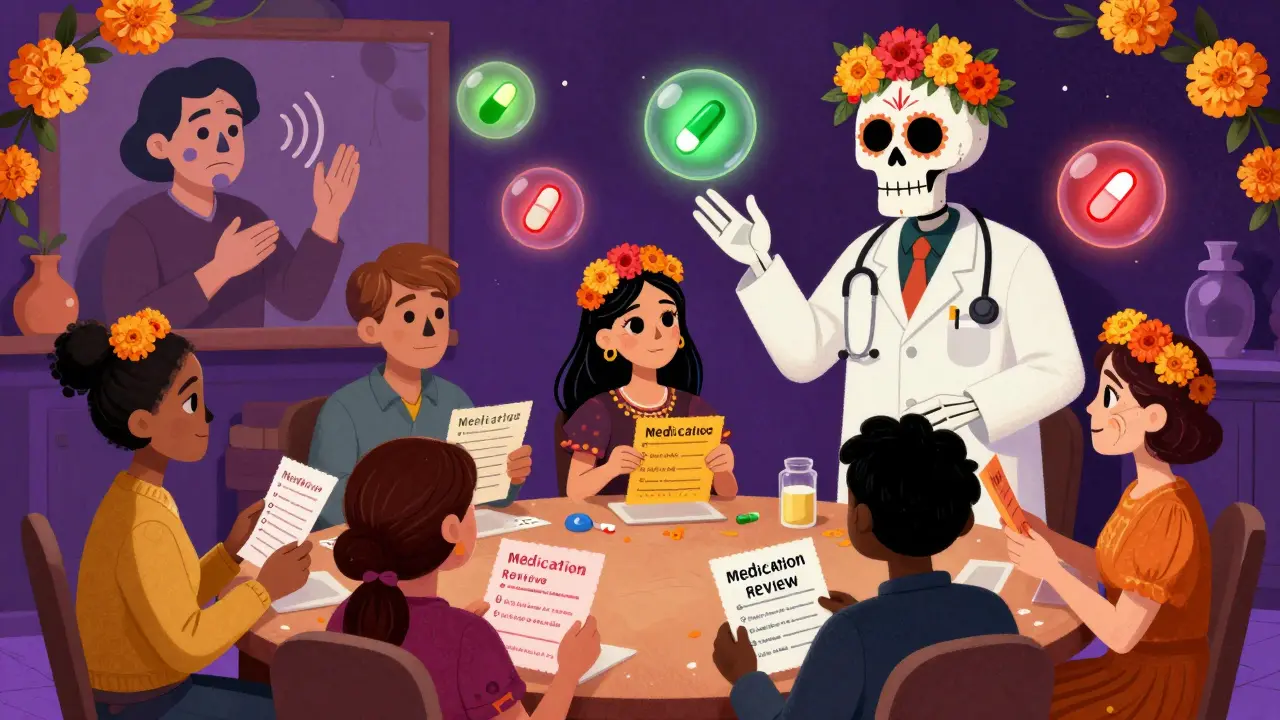
Brad Ralph
February 10, 2026 AT 16:44Jason Pascoe
February 10, 2026 AT 23:32christian jon
February 12, 2026 AT 21:19steve sunio
February 14, 2026 AT 02:49Ernie Simsek
February 14, 2026 AT 06:04Jack Havard
February 15, 2026 AT 13:07Gloria Ricky
February 17, 2026 AT 08:54Stacie Willhite
February 18, 2026 AT 11:34Sonja Stoces
February 19, 2026 AT 11:42Annie Joyce
February 20, 2026 AT 00:55Rob Turner
February 22, 2026 AT 00:01Luke Trouten
February 22, 2026 AT 11:24Gabriella Adams
February 24, 2026 AT 05:53Kristin Jarecki
February 25, 2026 AT 00:35Jonathan Noe
February 26, 2026 AT 11:32