
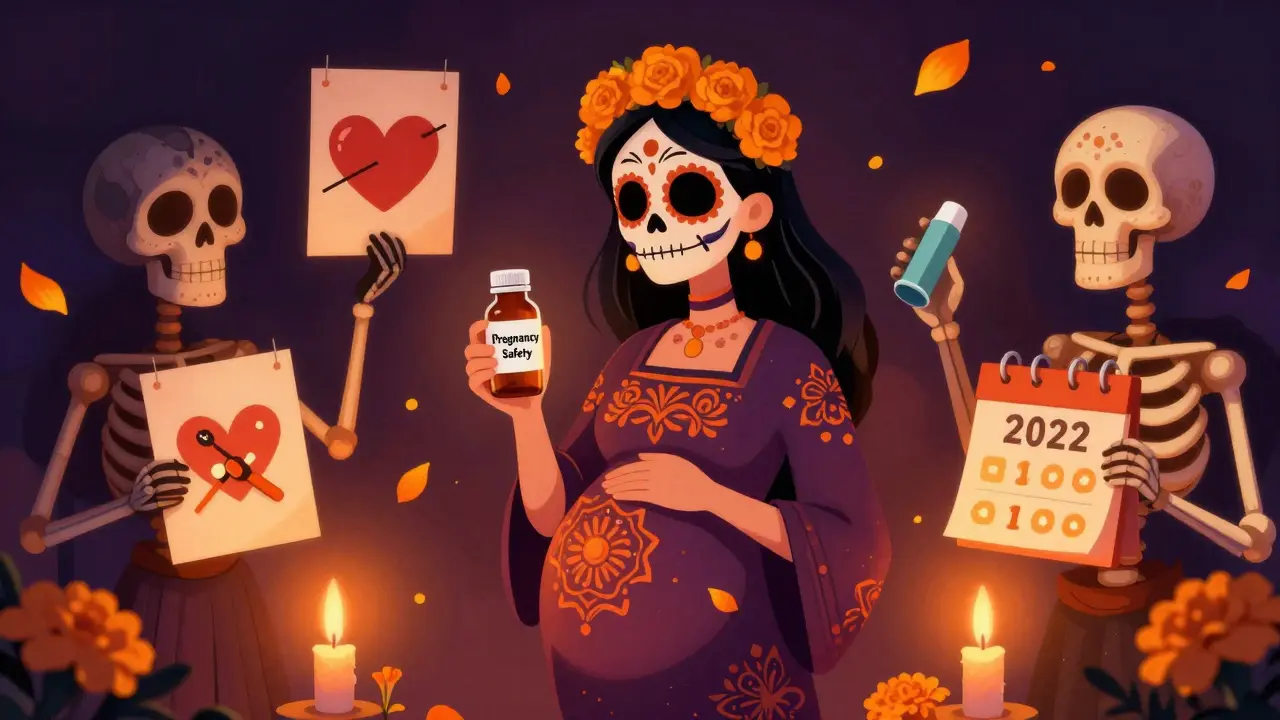
When you’re pregnant, every decision feels bigger. Even something as simple as taking a cold pill or continuing your antidepressant can spark panic. Is it safe? Will it hurt the baby? The truth is, medication use during pregnancy is one of the most confusing and high-stakes areas in modern healthcare - and the system meant to protect you is still catching up.
Why the Old System Failed
For decades, doctors and patients relied on a simple letter system: A, B, C, D, or X. It sounded easy. A meant safe. X meant dangerous. But it wasn’t that simple. Those letters didn’t tell you how much risk there actually was. They just told you how much data existed. Many women were told to stop their medications because a drug was labeled "C" - even though the real risk might be tiny. Meanwhile, some dangerous drugs slipped through because the data was outdated. In 2015, the FDA got rid of the letter system. It was broken. The new rule, called the Pregnancy and Lactation Labeling Rule (PLLR), replaced it with plain-language sections in drug labels. Now, instead of a letter, you’ll see detailed info about risks, benefits, and what studies actually show. But here’s the catch: many doctors still don’t know how to read these new labels. A 2019 study found only 32% of them include actual numbers - like "1 in 100 risk" - which is the only way to make a real decision.What You’re Actually Up Against
About 70% to 90% of pregnant women take at least one medication. Half take four or more. And here’s the kicker: 40% to 80% of pregnancies are unplanned. That means a lot of women are already taking meds when they find out they’re pregnant. It’s not a rare scenario - it’s the norm. The problem isn’t just about pills. It’s about what we don’t know. Most drugs are never tested on pregnant women. Clinical trials exclude them. That means for 90% of medications approved between 2003 and 2012, there’s barely any human data on what they do to a developing baby. We’re making decisions based on animal studies, small case reports, or guesswork. Take isotretinoin (Accutane), used for severe acne. It causes severe birth defects in 20% to 35% of exposed pregnancies. That’s why it’s tightly controlled. But what about your anxiety medication? Your thyroid pill? Your asthma inhaler? For most of those, the data is thin. And that’s why safety alerts exist - to fill the gaps.How Safety Alerts Work (And Why They’re Often Too Late)
Safety alerts aren’t warnings you see on TV. They’re formal notices from the FDA or EMA when new evidence shows a drug might harm a fetus. In 2022 alone, the FDA issued 17 such alerts - up from just five in 2015. One of the most serious was for valproate, used for epilepsy and bipolar disorder. It raised the risk of neural tube defects from 0.1% to 1% to 2%. That’s a 10- to 20-fold increase. That’s the kind of alert that changes practice. But here’s the flaw: these alerts come years after the harm is already happening. A 2020 study found pregnancy exposure registries - systems designed to track what happens when women take drugs during pregnancy - capture less than 1% of all exposures. That means it takes an average of 7.2 years to spot a problem. By then, thousands of women may have already taken the drug. The system relies on doctors and patients reporting cases. But most don’t. Only 22% of drug companies even maintain active pregnancy registries as required. And only 28% of U.S. hospitals have electronic systems that can automatically flag a pregnant patient who’s been prescribed a risky drug.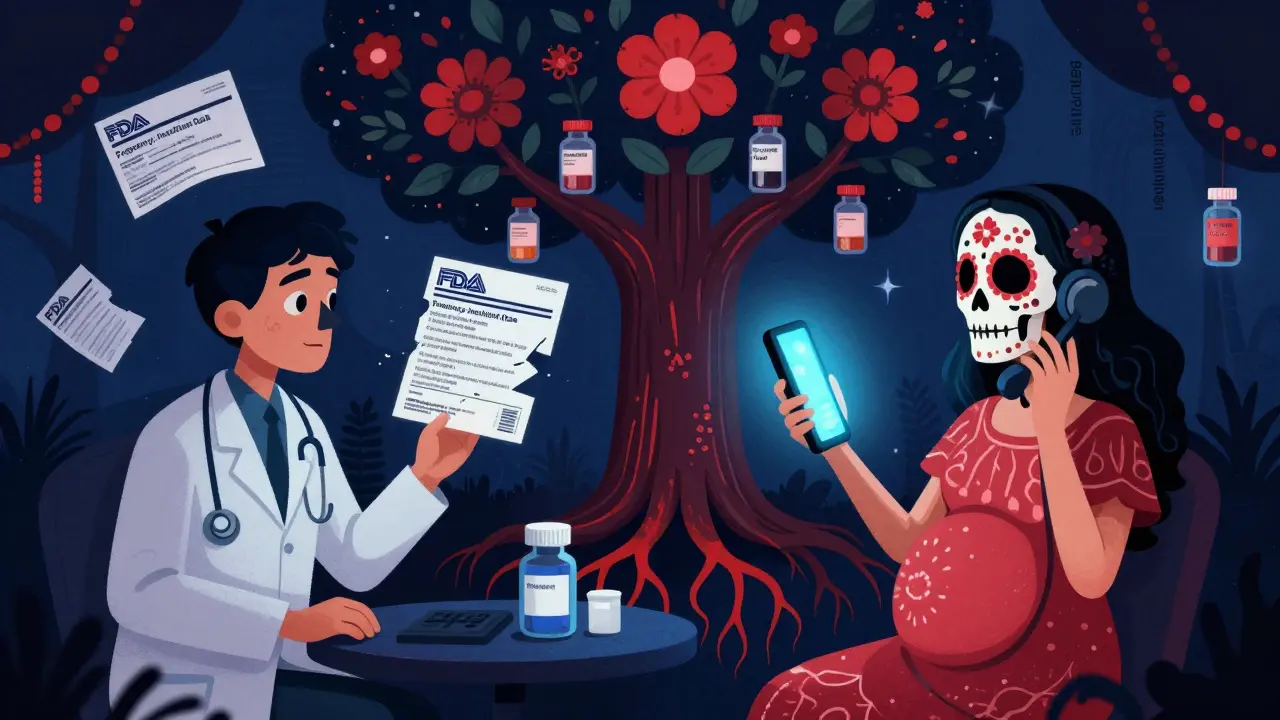
What’s Different in Europe
The European Medicines Agency (EMA) takes a stricter approach. For high-risk drugs like lenalidomide (used for multiple myeloma), they require mandatory pregnancy testing, contraception for six months after stopping the drug, and even signed agreements from patients. It’s not just a label - it’s a system. But it’s not perfect. A 2022 audit found 41% of companies in the EU failed to meet even the minimum requirements for tracking pregnancy exposure. So while the rules are tighter, enforcement is patchy. In the U.S., the focus is on labeling. In Europe, it’s on control. Neither system is flawless. But together, they show what’s possible: clear rules, active monitoring, and real consequences for non-compliance.What You Should Do Right Now
If you’re pregnant or planning to be, here’s what actually works:- Get a medication review at your first prenatal visit. ACOG recommends this. Bring every pill, supplement, and herb you take - even the ones you think don’t matter. The average review takes 22 minutes. It’s worth it.
- Don’t stop your meds without talking to your doctor. A 2021 survey found 29% of women with chronic conditions stopped their meds as soon as they got pregnant. That led to worse outcomes - more hospitalizations, more complications. Untreated depression, high blood pressure, or asthma can be more dangerous than the medication.
- Check the new pregnancy section on your drug label. Look for "Pregnancy," "Lactation," and "Females and Males of Reproductive Potential." If it says "insufficient data," that’s not a reason to panic - it’s a reason to talk to your doctor.
- Take folic acid. Every day. 800 mcg daily, starting before conception and continuing through 12 weeks. It cuts neural tube defect risk by up to 70%. It’s one of the few things with rock-solid evidence.
- Avoid known teratogens. Isotretinoin (Accutane), thalidomide, valproate, and certain antibiotics like tetracycline are off-limits. If you’re on any of these, talk to your doctor before getting pregnant.
Where to Find Reliable Info (And Where Not to)
The internet is full of conflicting advice. Reddit threads, Facebook groups, and even some drug websites give contradictory info. One study found 42% of users complained about conflicting guidance. Stick to trusted sources:- FDA’s Medicine and Pregnancy page - clear, updated, no hype. Rated 4.3/5 by users.
- Mass General Hospital’s Pregnancy Medication Safety Hotline - they handle over 12,000 calls a year. 78% of calls were about anxiety meds - and 63% of the time, they told people to keep taking them.
- ACOG and SOGC guidelines - these are written by OB-GYNs who see this every day.
The Bigger Picture
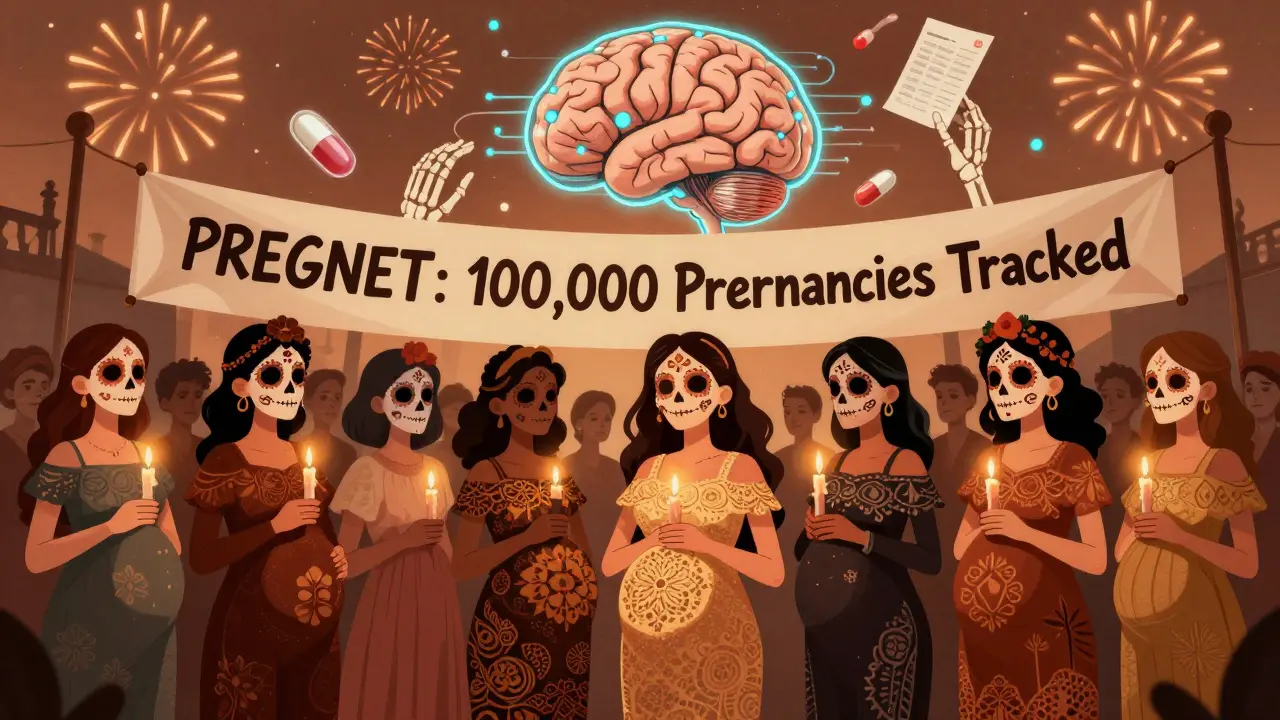
This isn’t just about pills. It’s about how we treat pregnant women in medicine. For too long, they’ve been excluded from research. Now, we’re starting to fix it. The NIH just launched PREGNET - a $25 million project to track 100,000 pregnancies over five years. That’s the biggest step forward in decades. AI is also coming. IBM predicts algorithms will predict medication risks with 70% accuracy by 2027 by analyzing millions of real-world records. But until then, the system is still broken - and you’re the most important part of it.What No One Tells You
The fear of harming your baby can be paralyzing. But the real danger isn’t the medication - it’s the silence. The lack of data. The assumption that you should just stop everything. The truth is, most medications are safe. And many conditions are far more dangerous if left untreated. The goal isn’t to avoid all drugs. It’s to choose wisely, with good information. If your doctor tells you to stop a medication because it’s "not safe," ask: "What’s the evidence? What’s the risk number? What happens if I don’t take it?" If they can’t answer, find someone who can. You’re not alone. Millions of women are asking the same questions. And now, for the first time, we’re building systems to answer them - slowly, imperfectly, but moving forward.Is it safe to take antidepressants during pregnancy?
For many women, yes. SSRIs like sertraline and citalopram are among the most studied antidepressants in pregnancy. While there’s a small increased risk of certain issues like preterm birth or persistent pulmonary hypertension (PPHN), the risk is low - less than 1% in most cases. Untreated depression, however, increases the risk of poor prenatal care, preterm birth, and low birth weight. Most experts recommend continuing treatment, especially for moderate to severe depression. Always work with your doctor to find the lowest effective dose.
Can I take ibuprofen while pregnant?
Avoid ibuprofen after 20 weeks of pregnancy. It can cause low amniotic fluid and affect fetal kidney development. Before 20 weeks, occasional use is generally considered safe for short-term pain relief, but acetaminophen (Tylenol) is still the preferred option. Always check with your provider before taking any NSAID during pregnancy.
What if I took a risky medication before I knew I was pregnant?
Don’t panic. Most medications don’t cause harm in early pregnancy - the "all-or-nothing" period (first 2 weeks after conception) means if a drug caused damage, the pregnancy wouldn’t continue. After that, the risk depends on the drug, the dose, and the timing. Call your doctor or a pregnancy medication hotline (like Mass General’s) to review what you took. In most cases, the risk is lower than you think.
Are herbal supplements safe during pregnancy?
No - not without checking. Many herbs are not tested in pregnancy and can be harmful. Black cohosh, goldenseal, and dong quai can trigger contractions. High doses of vitamin A can cause birth defects. Even "natural" doesn’t mean safe. Always tell your provider about every supplement you take - including teas and essential oils.
How do I know if a drug has a pregnancy exposure registry?
Check the drug’s official website or the FDA’s Pregnancy Exposure Registry list. You can also ask your pharmacist or doctor. If a registry exists, you can enroll - even if you’re already pregnant. Your data helps future moms. Registration usually requires confirmation of pregnancy and follow-up after delivery. It’s voluntary, but it makes a difference.
Next Steps
If you’re pregnant or thinking about it:- Make a list of every medication, supplement, and herb you take.
- Bring it to your first prenatal visit - don’t wait.
- Ask your doctor: "Is this safe? What’s the evidence? What happens if I stop?"
- Sign up for a pregnancy exposure registry if your medication has one.
- Use trusted sources like the FDA or Mass General for updates - not social media.
Tony Du bled
December 23, 2025 AT 04:00Man, I read this whole thing and I’m just glad I’m not pregnant. But seriously, this is the kind of info that should be on every OB-GYN’s waiting room wall. No more vague ‘C’ labels. Just facts. Even if they’re messy.
Charles Barry
December 24, 2025 AT 02:51Let me guess - the FDA’s ‘new system’ is just more paperwork while Big Pharma laughs all the way to the bank. They don’t test on pregnant women because they don’t WANT to know what they’re doing. It’s not negligence - it’s intentional. They’re betting on your fear and ignorance. And now they’re selling you ‘trusted sources’ like they’re saints. Wake up. The system is rigged.
Rosemary O'Shea
December 24, 2025 AT 23:19Oh please. You think a 22-minute review is going to fix centuries of medical paternalism? Darling, the real issue is that we treat pregnancy like a medical emergency rather than a natural state - and then wonder why women feel like lab rats. The fact that we need ‘pregnancy exposure registries’ at all is a moral failure. And don’t get me started on how ‘folic acid’ is treated like a magic bullet while actual systemic reform gathers dust.
Cara Hritz
December 26, 2025 AT 21:24so i took ibuprofen at 16 weeks and now i’m terrified. like. what if my kid has kidney issues? i didn’t know. i thought it was fine. help. someone. please.
Johnnie R. Bailey
December 28, 2025 AT 19:01There’s a quiet revolution happening here, and most people miss it. The shift from letter grades to narrative risk descriptions? That’s not just bureaucracy - it’s a cultural pivot toward respecting patient agency. The problem isn’t the labels, it’s the silence around them. Doctors still default to ‘better safe than sorry’ because they’re not trained to interpret real data. But the tools are there. You just have to ask for them. And if your provider can’t give you numbers? Find one who can. You’re not being difficult - you’re being the patient medicine desperately needs.
Sam Black
December 29, 2025 AT 03:59Reading this felt like someone finally handed me a flashlight in a cave I didn’t know I was lost in. I took Zoloft through both pregnancies. Was I scared? Yeah. But I was more scared of crashing into a depressive black hole and not being able to hold my kids. The data’s thin? Fine. But the lived experience of thousands? That’s data too. And if your doctor treats your mental health like a luxury - not a necessity - they’re not your doctor. They’re a gatekeeper. Go find someone who sees you as a whole person, not a risk profile.
Art Van Gelder
December 29, 2025 AT 17:09Let’s talk about the elephant in the room nobody wants to name: we’ve spent decades excluding pregnant women from clinical trials because we’re terrified of liability, not because we care about them. Now we’re shocked when we don’t have data? Welcome to the consequences of institutional cowardice. And now we’re telling women to ‘just ask questions’ like that’s a cure-all. What about the single mom working two jobs who can’t afford a 45-minute consult? What about the immigrant who doesn’t speak English? What about the person whose doctor rolls their eyes when they bring up ‘that pregnancy label thing’? This isn’t about better labels - it’s about dismantling a system that treats pregnancy as an inconvenience to medical progress. The NIH’s $25M project? Noble. But it’s a Band-Aid on a hemorrhage. We need mandatory inclusion in trials. We need funding for real-world data collection. We need legal consequences for companies that don’t track outcomes. And we need to stop pretending that telling women to ‘take folic acid’ is enough when the entire architecture is crumbling.
Jamison Kissh
December 31, 2025 AT 10:56What if the real question isn’t ‘Is this drug safe?’ but ‘What kind of society lets a pregnant person have to Google their own safety like a criminal?’ We’ve turned pregnancy into a liability checklist instead of a human experience. And we wonder why anxiety is so high. Maybe the medication isn’t the problem - maybe it’s the silence we force people to live in.