Menopause Symptoms: What They Are, Why They Happen, and How to Manage Them
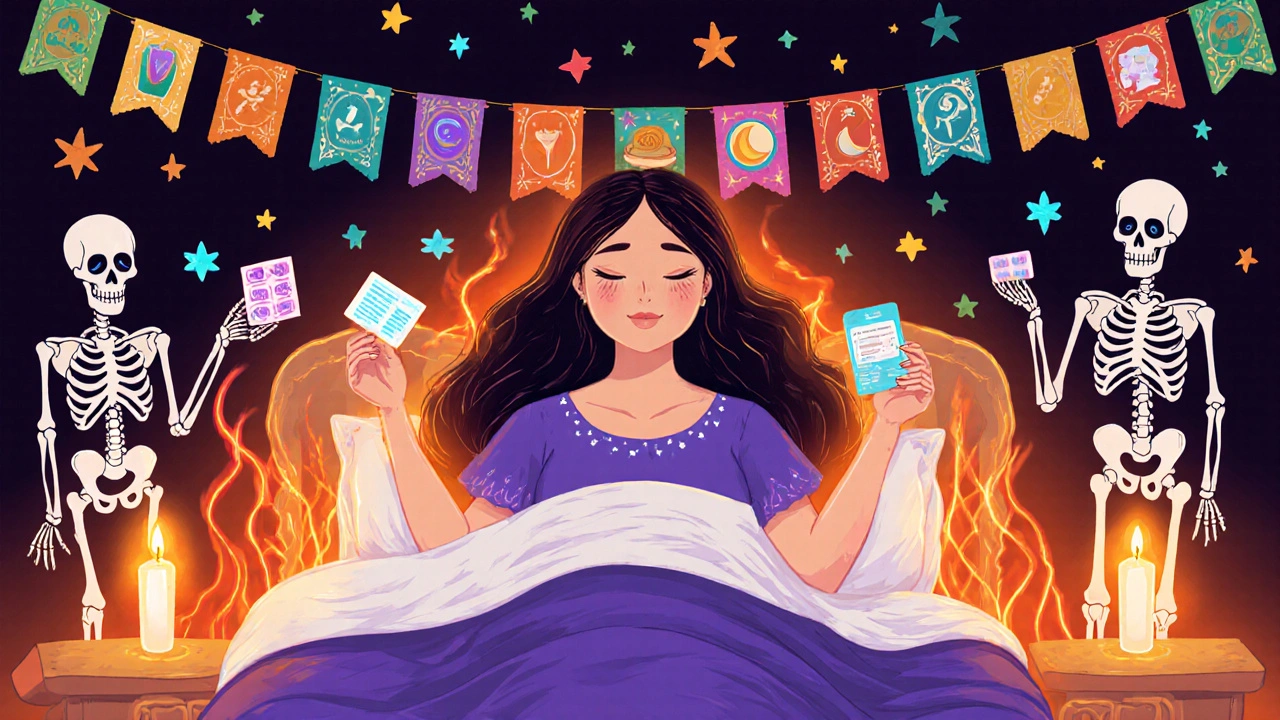
When your body stops producing estrogen and progesterone, menopause symptoms, the physical and emotional changes that occur as hormone levels drop during the transition to post-menopause. Also known as perimenopause, it’s not a disease—it’s a natural phase of life, but that doesn’t make it easy. For many women, these changes show up as sudden hot flashes, drenching night sweats, or sleep so broken you forget what rest feels like. You might feel irritable for no reason, forget where you put your keys, or notice your mood swings are louder than ever. These aren’t just "in your head." They’re biological shifts, triggered by the ovaries slowing down and your brain trying to adjust.
It’s not just about the big symptoms. Many women deal with vaginal dryness, urinary urgency, joint pain, or skin that feels thinner and drier. Some notice weight gain around the middle, even if they haven’t changed their diet. These aren’t signs of aging laziness—they’re direct results of hormonal changes. And they don’t hit everyone the same way. One woman might sail through menopause with almost no trouble. Another might struggle for years. That’s because genetics, lifestyle, stress levels, and even gut health all play a role in how your body handles the drop in estrogen.
What you might not realize is that hot flashes, sudden feelings of intense heat, often accompanied by sweating and flushing are the most common symptom—up to 80% of women experience them. And night sweats, hot flashes that happen during sleep, often disrupting rest can be worse than the daytime ones because they steal your sleep, which then makes everything else feel harder. You’re not just tired—you’re running on empty. That’s why managing sleep becomes part of managing menopause. Some women find relief with simple changes: cooling bedding, avoiding spicy food or alcohol before bed, or even short walks after dinner. Others need more help—like low-dose hormone therapy, which studies show can reduce hot flashes by 75% or more in many cases.
It’s also important to know that menopause doesn’t just affect your body—it affects your brain. Brain fog, trouble focusing, or feeling emotionally raw aren’t just stress. Estrogen helps regulate serotonin and other mood chemicals. When it drops, your brain’s chemistry shifts. That’s why some women feel more anxious or depressed during this time. And yes, it’s okay to ask for help. Talking to a doctor doesn’t mean you’re weak—it means you’re taking control.
The posts below aren’t just lists of symptoms. They’re real guides from women who’ve been there. You’ll find tips on how to track your symptoms, what supplements might help (and which ones don’t), how to talk to your doctor about hormone therapy, and even how to protect your bones and heart after menopause. You’ll see how medication lists matter when you’re juggling hormones, sleep aids, and supplements. You’ll learn how to avoid dangerous interactions between herbal remedies and prescription drugs. This isn’t theoretical. These are the tools real women use every day to feel like themselves again.