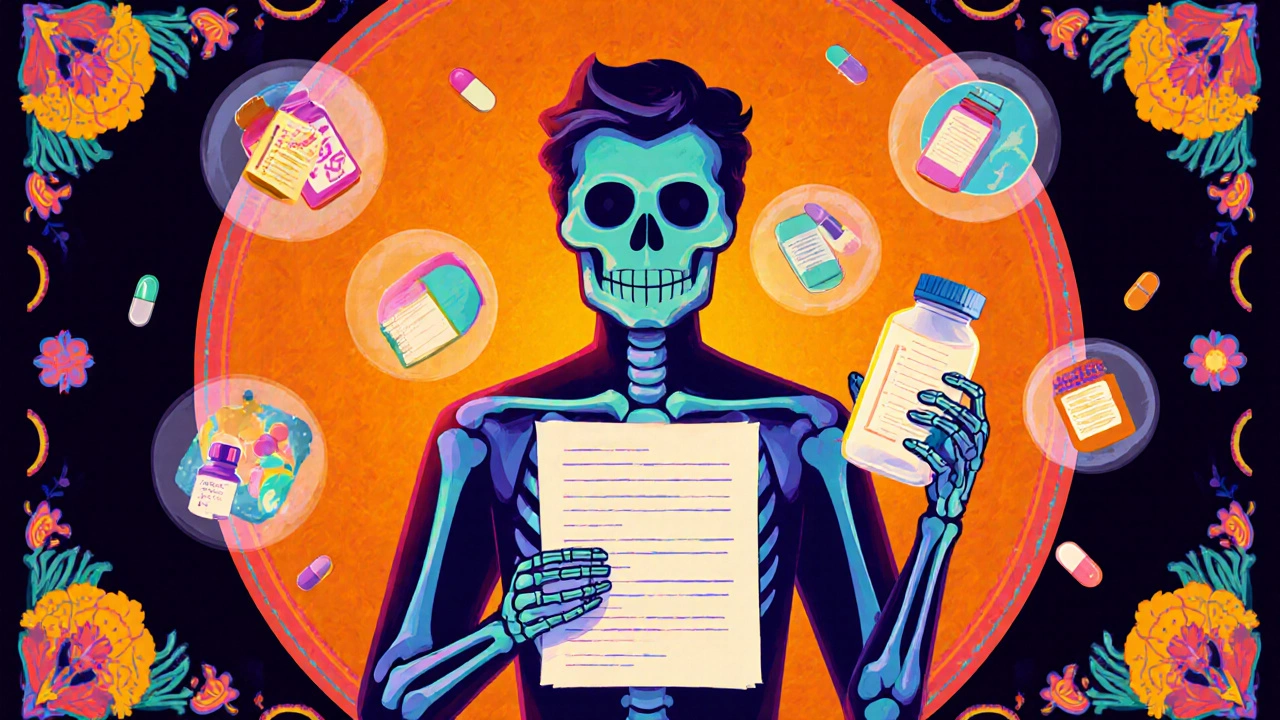
Drug Safety: Protect Yourself from Hidden Risks and Dangerous Interactions
When you take a pill, you expect it to help—not hurt. But drug safety, the practice of using medications in a way that minimizes harm while maximizing benefit. Also known as medication safety, it’s not just about following the label—it’s about understanding what your body is really dealing with. Every year, hundreds of thousands of people end up in the hospital because of avoidable drug mistakes. It’s not always the dose. Sometimes it’s what you mix it with, how long you’ve been taking it, or whether you even know what’s in the bottle.
Drug safety isn’t just a doctor’s job. It’s yours too. Take cumulative drug toxicity, when side effects build up slowly over years of use, often going unnoticed until something serious happens. Think of it like water dripping on a stone. You don’t see the damage until it’s too late. Medications like statins, painkillers, or even antihypertensives can quietly stress your liver, kidneys, or nerves over time. That’s why checking in with your pharmacist every six months isn’t optional—it’s lifesaving. And then there’s drug interactions, when two or more medicines (or even foods and supplements) clash in your body, creating unexpected and dangerous effects. Azithromycin with certain heart meds? Risky. Prednisone with diabetes meds? Can spike your blood sugar fast. Even something as simple as grapefruit juice can turn a safe dose into a toxic one.
It’s not just about what’s in your medicine cabinet. It’s about staying informed. The FDA safety alerts, official warnings about dangerous recalls, faulty devices, or newly discovered risks. are your first line of defense. Subscribe to them. Don’t wait for your doctor to tell you. If a drug gets pulled because it causes heart rhythm problems or liver failure, you deserve to know right away. These alerts aren’t just for doctors—they’re for you, your parents, your kids. And if you’re on Medicare, your drug coverage changes every year. What was safe last year might not be covered—or might be replaced with something riskier this year.
What you’ll find here isn’t theory. It’s real, practical advice from people who’ve been there. You’ll learn how to spot the red flags of immunodeficiency that look like regular infections. How to take probiotics with antibiotics so you don’t end up with weeks of diarrhea. Why some generic blood pressure pills get denied by insurance—and how to fight back. How steroids can trigger diabetes in people who’ve never had it. How to avoid buying fake Kamagra online. How to coordinate your meds after leaving the hospital so you don’t get readmitted because of a simple mix-up. These aren’t niche topics. They’re everyday risks that millions face without knowing it.
Drug safety isn’t about fear. It’s about control. The more you know, the less power those hidden risks have over you. Below, you’ll find clear, no-fluff guides that cut through the noise and give you exactly what you need to stay safe—without jargon, without hype, without waiting for someone else to tell you what to do.