
Medication Risk Checker
Assess potential GI bleeding risks based on your current medication regimen.
Your Profile
Risk Assessment Results
Calculating...
What Does This Mean?
Recommended Actions:
The Hidden Danger of Mixing Antidepressants and Painkillers
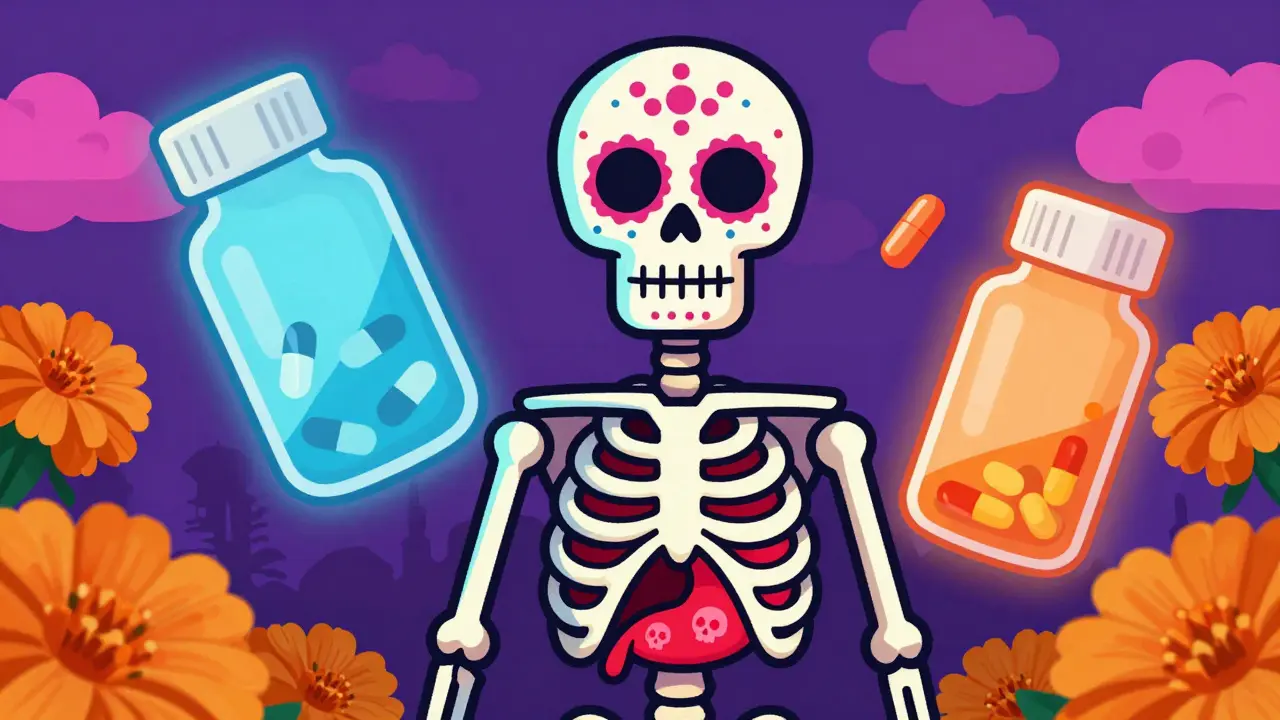
You might think taking medication for depression alongside medicine for back pain is routine. Many doctors prescribe both without blinking. However, there is a silent danger lurking between these two common pill bottles. Recent research shows that using SSRIs (Selective Serotonin Reuptake Inhibitors) together with NSAIDs (Nonsteroidal Anti-Inflammatory Drugs) significantly raises the chance of serious stomach bleeding.
This isn't just theoretical. Studies indicate a 75% jump in risk compared to using NSAIDs alone. For some people, especially those over 65 or with past stomach issues, the risk can climb even higher. It's crucial to understand what is happening inside your body so you can protect yourself.
How These Medications Work Together to Cause Harm
To understand the danger, we need to look at how each drug affects your body. SSRIs are designed to boost serotonin levels to improve mood. While serotonin feels happy in your brain, it plays a different role elsewhere. Your blood contains tiny cells called platelets. These cells are essential for clotting when you cut your skin or scratch your stomach lining.
Now, imagine adding NSAIDs like ibuprofen or naproxen into the mix. These drugs work by blocking enzymes that reduce inflammation and pain. Unfortunately, the same enzymes also produce chemicals that protect your stomach lining from acid. Without that protection, your stomach becomes more vulnerable.
When you combine the two, you get a worst-case scenario. Your stomach lining gets damaged by the NSAID, and your body cannot stop the bleeding because the SSRIs have weakened your platelets. Research published in 2022 noted this dual-pathway risk creates a situation far worse than simply adding the risks together. It creates a multiplicative effect.
Who Is Most at Risk?
Not everyone who mixes these pills will bleed internally, but certain factors dramatically change the odds. Age is the biggest predictor. Older adults face higher risks simply because their stomach lining is more fragile naturally. If you have ever had a stomach ulcer or gastritis, your risk increases substantially.
Your medical history matters, too. People taking blood thinners like warfarin or even low-dose aspirin for heart health are essentially piling on more bleeding risks on top of the SSRI-NSAID combination. A study from Denmark highlighted that combining these medications increased upper GI bleeding risk by more than 12-fold compared to non-users when other factors were present.
Long-term use is another concern. Taking NSAIDs daily for weeks or months is riskier than taking one tablet now and then. Similarly, staying on an SSRI treatment for longer than 90 days correlates with progressively increased bleeding events according to recent data. It's not always about the dose, but the duration of exposure.

Comparing Different Medications
Not all pain relievers and antidepressants carry the exact same weight of risk. Some options are safer than others, and choosing the right one can save you from complications. Within the NSAID family, older drugs like naproxen and diclofenac tend to be harder on the stomach than newer ones.
| Type of NSAID | Risk Level | Notes |
|---|---|---|
| Celecoxib (COX-2) | Lower Risk | Approximately 50% lower risk than standard NSAIDs |
| Ibuprofen | Moderate Risk | Commonly used, risk increases with dose |
| Naproxen | Higher Risk | Longer acting, often associated with more GI events |
| Acetaminophen | No Significant Risk | Safer alternative that doesn't interact with SSRIs |
On the antidepressant side, drugs like paroxetine and fluoxetine may inhibit platelet function more strongly than sertraline or citalopram. However, every patient reacts differently, so switching antidepressants solely to avoid bleeding risk requires a doctor's approval. The safest bet remains managing the pain medication side of the equation.
Preventing Bleeding Before It Starts
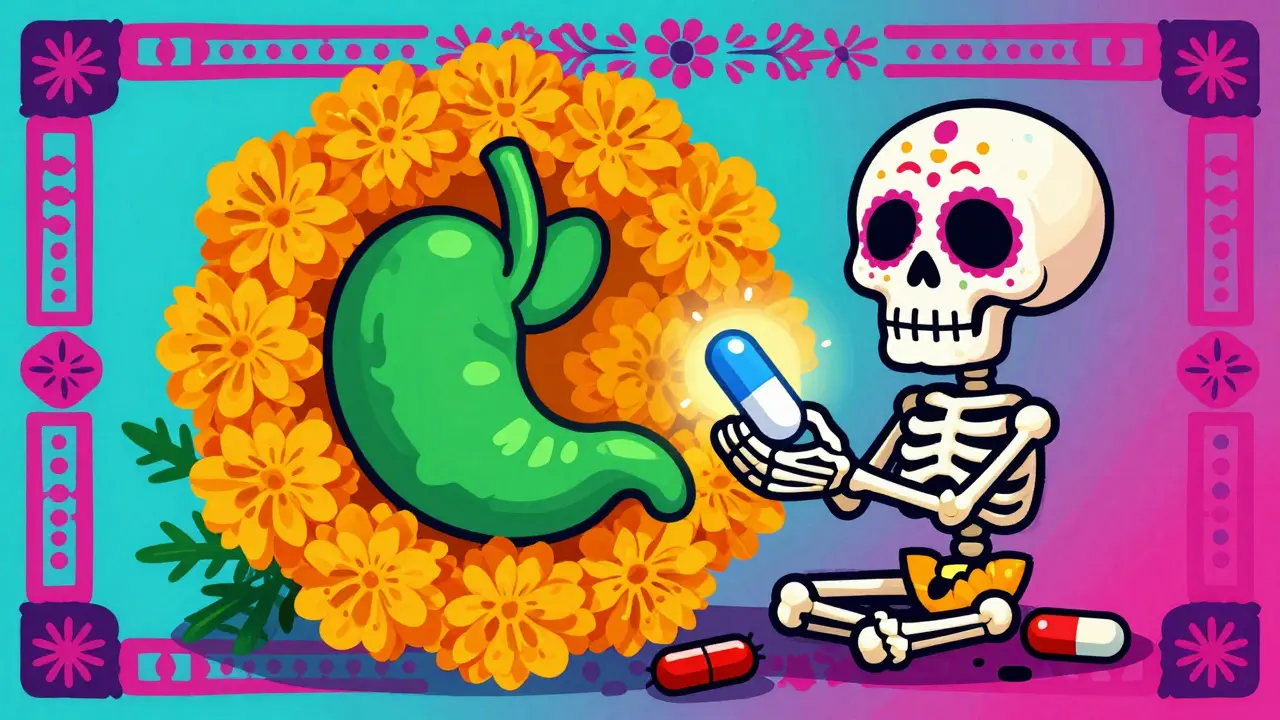
If you absolutely need to take both an SSRI and an NSAID, you shouldn't necessarily stop either medication immediately. Instead, you can use protective measures to keep your stomach safe. Doctors often recommend adding a Proton Pump Inhibitor, commonly known as a PPI.
Studies suggest this strategy reduces the absolute bleeding risk by about 70%. This is a significant drop. For example, if the annual risk was 1.5%, adding a PPI could bring it down to roughly 0.5%. Another option is stopping the NSAID entirely and switching to acetaminophen (paracetamol). Research confirms acetaminophen does not interact with SSRIs regarding bleeding risk.
Monitoring is equally important. You should know the signs of internal bleeding before a crisis occurs. These symptoms can be subtle at first. Black or tarry stools are a classic sign, often mistaken for constipation or diet changes. Vomiting blood or material that looks like coffee grounds is an immediate emergency. Unexplained bruising or fatigue can also hint at hidden blood loss.
What Patients Are Saying About This Interaction
Medical textbooks tell one story, but patient experiences reveal the reality of diagnosis delays. Online communities show that many patients aren't aware of this risk until it's too late. Discussions on health forums often feature stories where neither the primary care doctor nor the psychiatrist warned about the combination.
For instance, some users reported being on sertraline and ibuprofen for six months before ending up in the emergency room with a bleed. Only then was the connection made. Others found relief after their doctor switched them to acetaminophen. One common sentiment is surprise-many describe the interaction as having a high "surprise factor" because they never connected mood medication to stomach issues.
Positive outcomes happen when doctors are proactive. If your provider switches your pain management strategy when starting an antidepressant, you avoid the problem entirely. Regular check-ups provide a chance to review your full medication list, including over-the-counter painkillers that pharmacies don't track the same way.
Questions People Ask About SSRI and NSAID Safety
Can I take ibuprofen while on Zoloft or Paxil?
You can take them together, but it increases your bleeding risk. Discuss this with your doctor. They might recommend using acetaminophen instead or adding a stomach acid reducer to protect your system.
What are the symptoms of GI bleeding I should watch for?
Watch for black, tarry stools, vomiting blood, extreme fatigue, dizziness, or pale skin. These signs indicate your body is losing blood internally. Seek medical attention immediately if you notice these changes.
Does aspirin affect this interaction?
Yes, aspirin adds significant risk. Even low-dose aspirin combined with SSRIs and NSAIDs creates a dangerous cascade for your stomach. This triple combination greatly amplifies the risk compared to using just two drugs.
Are there safer alternatives to NSAIDs for pain relief?
Acetaminophen (paracetamol) is generally considered the safest alternative for pain relief when taking SSRIs. Other options include topical pain creams or heat therapy which do not interact with your blood chemistry.
Should I stop my antidepressant if I am in pain?
Never stop your antidepressant abruptly without medical guidance. Instead, talk to your provider about pain management alternatives that do not involve NSAIDs, so you can keep your mental health treatment stable and safe.
Managing your health means understanding how your medicines work together. The link between SSRIs and NSAIDs is well documented, but awareness among patients varies widely. By knowing the risks and asking the right questions, you empower yourself to make safer choices. Always inform your pharmacist and doctor about every medication you take, even over-the-counter ones, to ensure your treatment plan keeps you healthy without hidden dangers.
Richard Kubíček
March 28, 2026 AT 02:52It really shows how complicated our bodies are when we mix things up.
Everyone assumes that pain killers are harmless enough to take with everything else.
We forget that platelets need serotonin to do their job right.
Blocking that pathway leaves us open to damage without realizing it.
The research suggests that duration matters just as much as the dose does.
I worry about the older population who might not know better.
They could be suffering silently without any warning signs until it hits hard.
Switching to acetaminophen seems like the obvious choice here.
But sometimes chronic pain requires stronger intervention than just Tylenol.
That creates a dilemma for people managing mental health and physical pain.
We need doctors to bridge the gap between psychiatry and general medicine better.
This shouldn't rely on patients reading forums to stay safe.
There has to be a systemic check in place before prescriptions leave the counter.
Otherwise we keep seeing preventable bleeds that end badly in hospitals.
Education alone won't fix the prescribing habits of overwhelmed professionals.
We have to demand safety protocols that account for drug interactions systematically.
Sabrina Herciu
March 29, 2026 AT 18:49Excellent breakdown of the mechanism! ;)
Platelet function inhibition is indeed the primary concern here!! ;)
Doctors must prescribe PPIs proactively when necessary!!! ;)
We need to normalize asking for Omeprazole alongside Ibuprofen!!! ;)
Rohan Kumar
March 30, 2026 AT 03:53Honestly big pharma knows this and ignores it for profit reasons 🤑🚫.
They want you dependent on both pills so they get paid twice 💊💸.
Why would they warn you about the bleeding risk freely?
Suddenly they care about your stomach lining now 😱📉.
gina macabuhay
March 31, 2026 AT 04:11Your conspiracy theories are incredibly unhelpful for people seeking actual medical guidance.
You should stop spreading fearmongering rhetoric online instead of relying on science.
People need facts not your paranoid delusions about pharmaceutical companies.
Focus on consulting your doctor rather than typing nonsense in a forum.
Monique Ball
April 2, 2026 AT 01:27I completely agree with the point about systemic issues in healthcare!
Patients are often lost in the shuffle of different specialists 🏥🩺.
Psychiatrists rarely discuss the NSAID risk during depression treatment sessions 😰.
Primary care physicians might miss the antidepressant on the full list too 📋.
It is terrifying how many gaps exist in patient communication channels.
Monitoring symptoms like black stools is crucial for early detection 🚽🌑.
Many people ignore these signs thinking they are just dietary changes 🍇.
We must educate families about what to look for visually 👀.
Vomiting blood is obviously an emergency but subtle fatigue is worse 🛌⚠️.
Please share this information with your elderly relatives who might be vulnerable 👵.
Knowledge truly acts as protection against accidental harm every single day 🛡️.
Thank you for highlighting this important safety data for us all 🙏.
Stay vigilant friends! 💪❤️
Don't wait until you feel sick to ask questions 🗣️.
Prevention is always better than fixing damage later 🛑.
Let's keep ourselves informed and healthy together 🌟.
Philip Wynkoop
April 3, 2026 AT 11:01Just remember to read the label on over the counter meds.
They interact silently.
Ask your pharmacist.
Aaron Olney
April 4, 2026 AT 19:11thats why i almost died last year!!
doc forgot to tell me bout zoloft and advil.
bled everywhere in bathroom.. it was terrifying.
why dont they put a big warning on bottles????
lucky i made it to hospital on time...scared shrekless.
Devon Riley
April 6, 2026 AT 04:30I am so sorry that you went through such a scary experience.
It sounds incredibly traumatic for you to face that situation alone.
Please know you did the right thing by going to the hospital quickly.
Now you are an advocate for your own health which is powerful.
It is never too late to review your medication list safely.
Take good care of yourself moving forward always 🧘♂️💙.
Your awareness helps protect others too in the future community.
Tommy Nguyen
April 7, 2026 AT 05:18Acetaminophen is definitely the safest bet for everyone to consider.
Paul Vanderheiden
April 8, 2026 AT 09:48yeah totally second that suggestion for sure.
its way easier on the system and safer too.
just swap it out next time you feel pain coming on.
Monique Louise Hill
April 9, 2026 AT 08:32It is irresponsible to ignore the risks outlined here 🛑😤.
Everyone needs to take ownership of their pill regimen.
Blaming the doctors isnt fair when patients skip warnings 🔔.
Check your scripts carefully at home before popping anything 🏠💊.
Stay safe and be smart about health choices please ❤️✅.