
Antidepressant Sleep Impact Calculator
How Your Antidepressant Affects Sleep
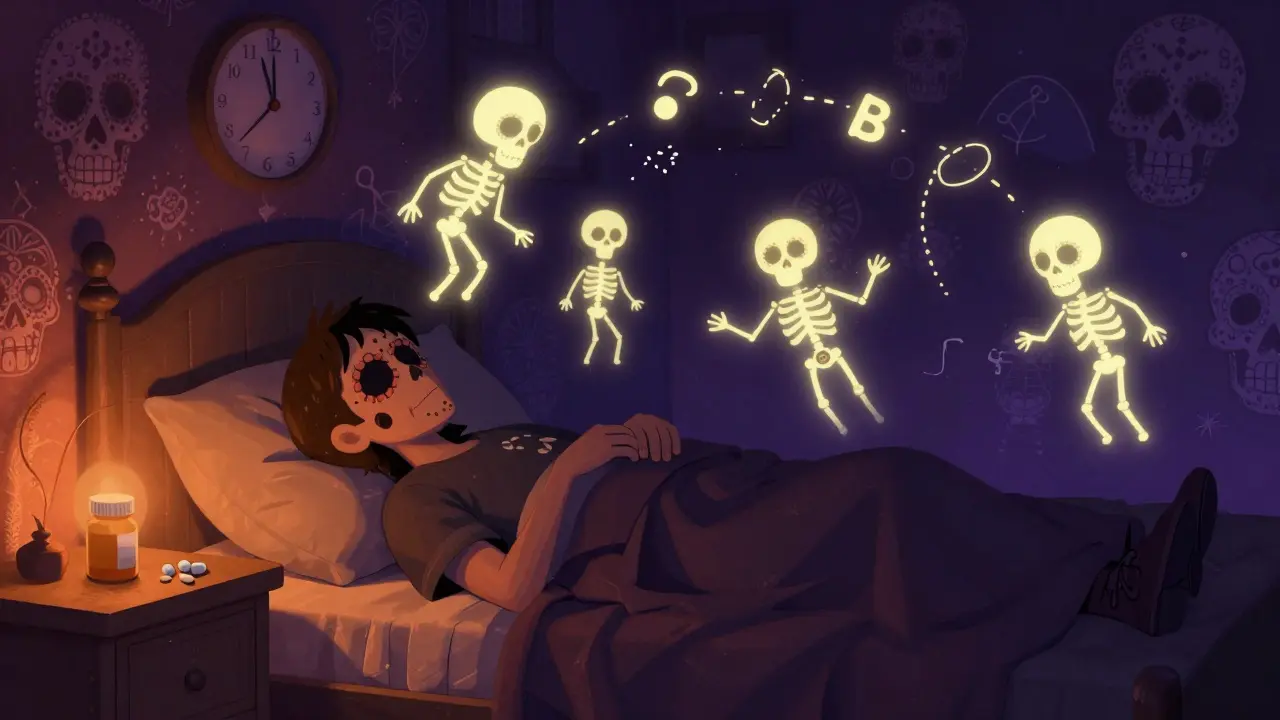
Starting an antidepressant can feel like a lifeline-until your sleep falls apart. You take your pill in the morning, and suddenly you’re lying awake at 2 a.m., heart racing, mind spinning. Or maybe you’re sleeping 10 hours a night and still feel drained. This isn’t just bad luck. It’s a direct effect of the medication. About 65-78% of people on SSRIs like fluoxetine or sertraline experience insomnia in the first two weeks. And while it often improves, for many, it doesn’t go away without changes.
Why Antidepressants Mess With Your Sleep
Antidepressants don’t just lift your mood-they rewrite your brain’s sleep wiring. They work by changing levels of serotonin, norepinephrine, and dopamine, all of which control when you fall asleep, how deep you sleep, and whether you dream. The most consistent effect? REM sleep suppression. That’s the stage where vivid dreams happen. SSRIs can cut REM sleep by up to 29% and delay when it starts by over an hour. This isn’t harmless. Your brain needs REM to process emotions and consolidate memories. When it’s blocked, you might feel emotionally raw, even if your mood seems better.Not all antidepressants do this the same way. Tricyclics like amitriptyline actually boost deep sleep by 22%, making you feel more rested. Mirtazapine increases total sleep time by nearly an hour and helps you fall asleep faster. But here’s the catch: it can leave you so groggy in the morning you can’t function. Trazodone, often used off-label as a sleep aid, reduces nighttime wakefulness by 37%-but many users report a “hangover” effect the next day.
Which Antidepressants Are Worst for Insomnia?
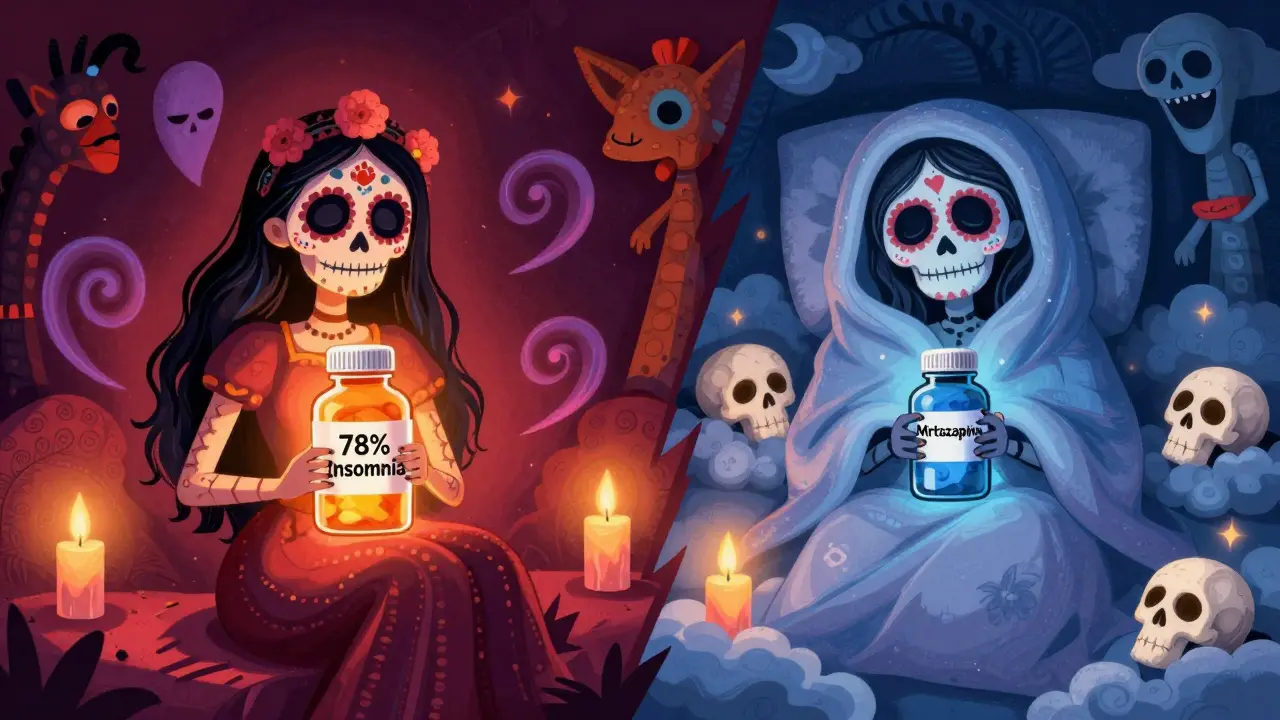
If you’re already struggling with sleep, some antidepressants are more likely to make it worse. Fluoxetine (Prozac) tops the list. In studies, 78% of users reported trouble falling or staying asleep in the first two weeks. Sertraline (Zoloft) isn’t far behind at 65%. Even paroxetine (Paxil), which is usually sedating, can cause nightmares and disrupted sleep in some people.Bupropion (Wellbutrin) is another big offender. It’s known for boosting energy, which is great for fatigue-but terrible for sleep. When combined with an SSRI, the risk of insomnia jumps by 2.4 times, according to an FDA warning. If you’re on both and can’t sleep, this combo is likely the culprit.
On the flip side, mirtazapine (Remeron) and trazodone are often chosen specifically for people with depression and insomnia. Mirtazapine improves sleep efficiency by 32% and reduces the time it takes to fall asleep by 28 minutes. Trazodone cuts nighttime awakenings. But both come with trade-offs: mirtazapine can cause weight gain and daytime drowsiness, especially at doses above 30 mg. Trazodone’s sedating effect fades over time, and some people develop tolerance.
Timing Matters More Than You Think
Taking your antidepressant at the wrong time can sabotage your sleep-even if the drug itself is sleep-friendly. SSRIs and bupropion should be taken before 9 a.m. Studies show this reduces insomnia risk by 41%. Why? Because these drugs stimulate the brain. If you take them after noon, the stimulation lingers into bedtime.For sedating antidepressants like mirtazapine or trazodone, timing is equally important. Take them 2-3 hours before bed, not right before. Taking them too late can cause grogginess, confusion, or even sleepwalking. A 2021 trial found that people who took trazodone at 8 p.m. had better sleep quality and less morning fog than those who took it at 10 p.m.
Some people find that splitting their SSRI dose helps. Half in the morning, half in the early afternoon. It’s not officially approved, but over 41% of Reddit users who tried it reported less insomnia. A University of Michigan trial is now testing whether this approach works in a clinical setting.
What to Do When Sleep Doesn’t Improve
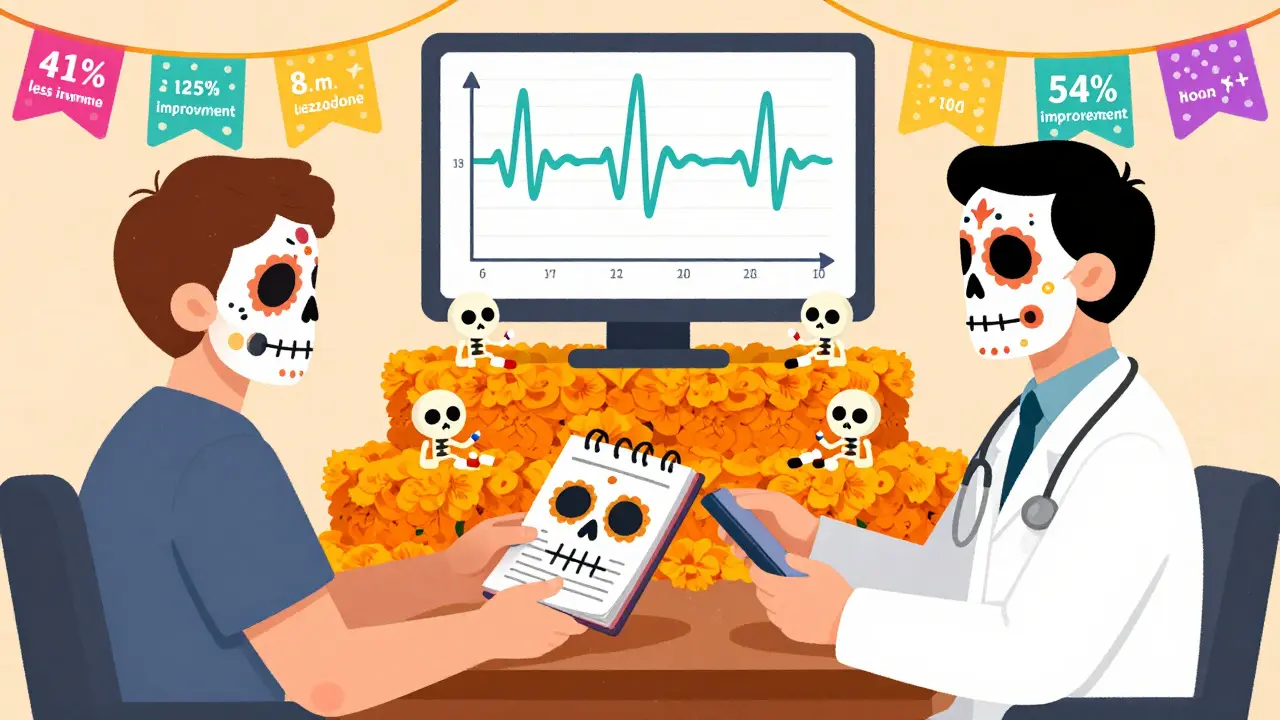
If your sleep hasn’t gotten better after 3-4 weeks, don’t just wait it out. Here’s what actually helps:- Track your sleep for two weeks with a simple diary: note bedtime, wake time, how long it took to fall asleep, and how many times you woke up. This gives your doctor real data-not just “I feel tired.”
- Try a lower dose. For venlafaxine, starting at 37.5 mg instead of 75 mg cuts insomnia risk by 32%. Many people don’t need a high dose to get better.
- Switch to a sleep-friendly option. If you have insomnia-predominant depression, mirtazapine (7.5-15 mg) or trazodone (25-50 mg) at bedtime is often the best first choice, according to the Canadian Network for Mood and Anxiety Treatments.
- Check for other issues. SSRIs can trigger or worsen restless legs syndrome (RLS) and REM sleep behavior disorder. If you kick, punch, or yell in your sleep, or feel creepy crawling sensations in your legs, tell your doctor. Polysomnography (a sleep study) may be needed.
What’s New in 2025: Sleep-Focused Antidepressants
The field is changing fast. In 2023, the FDA approved zuranolone (Zurzuvae), the first antidepressant specifically designed to improve sleep within days. In trials, it reduced insomnia symptoms by 54% at two weeks. It’s not a magic pill-it’s expensive, and side effects include dizziness and sedation-but it shows the industry is finally listening.Genetic testing is also entering the game. Companies like Genomind now offer a $349 test that analyzes 17 genes linked to sleep regulation and predicts how you’ll respond to 24 different antidepressants. If you’ve tried three meds and nothing worked, this could save months of trial and error.
The National Institute of Mental Health is investing $14.3 million to study “chronotherapeutics”-timing meds to match your body’s natural rhythm. Imagine taking your antidepressant based on whether you’re a night owl or early bird. That’s not science fiction anymore.
When to Talk to Your Doctor
Don’t suffer in silence. If you’re having sleep problems after starting an antidepressant, here’s when to act:- You’ve had insomnia for more than 4 weeks with no improvement
- You’re waking up confused, moving during sleep, or acting out dreams
- You feel wired all day, even after sleeping 8 hours
- You’re considering stopping your med because of sleep issues
Your doctor can adjust the dose, switch you to a different drug, add a short-term sleep aid, or recommend a sleep study. The goal isn’t just to treat depression-it’s to restore your sleep so you can actually live again.
Real People, Real Results
One user on Reddit tried fluoxetine for three weeks and couldn’t sleep at all. She switched to mirtazapine 15 mg at bedtime. Within five days, she was sleeping 7 hours straight for the first time in months. Her only complaint? She felt like a zombie in the morning. She dropped the dose to 7.5 mg and now sleeps well without the fog.Another man took sertraline and bupropion together. He was up every night at 3 a.m., heart pounding. His psychiatrist took him off bupropion and switched him to trazodone 50 mg at 8 p.m. Within a week, he was sleeping through the night. He still wakes up once, but now he reads until he falls back asleep-no panic, no caffeine, no guilt.
These aren’t rare cases. They’re the norm. Sleep problems from antidepressants are common. But they’re not inevitable. With the right drug, the right dose, and the right timing, you can treat your depression without losing your sleep.
Do all antidepressants cause insomnia?
No. While SSRIs and bupropion often cause insomnia, other antidepressants like mirtazapine, trazodone, and agomelatine are known to improve sleep. About 87% of antidepressants affect sleep architecture, but the direction of the effect varies. Some suppress REM sleep and make you wake up more; others deepen sleep and help you fall asleep faster.
How long does SSRI-induced insomnia last?
For most people, SSRI-related insomnia peaks between days 3 and 7 and gradually improves over 21 to 28 days. Studies show that after four weeks, about 70% of users report sleep returning to normal. But if it hasn’t improved by then, it likely won’t without a change in medication or dosage.
Is mirtazapine better than an SSRI for sleep?
Yes, for people with insomnia-predominant depression. Mirtazapine improves sleep onset latency by 28 minutes and increases total sleep time by over 50 minutes compared to placebo. Its effect size for sleep improvement is 0.8-nearly three times stronger than SSRIs. However, it can cause daytime drowsiness, especially at doses above 30 mg, and may lead to weight gain.
Can I take melatonin with my antidepressant?
Melatonin is generally safe to take with most antidepressants, including SSRIs and SNRIs. It doesn’t interfere with their mood effects. Some studies suggest it may help reduce sleep onset latency when taken 30-60 minutes before bed. However, it won’t fix the underlying REM suppression caused by SSRIs. It’s a short-term aid, not a long-term solution.
Why does my antidepressant make me sleepy at first but not later?
This is common with sedating antidepressants like trazodone or mirtazapine. Your body builds tolerance to the sedative effect over time-usually within 4-8 weeks. That’s why some people stop taking them even though their depression is improving. If daytime sleepiness becomes a problem, talk to your doctor about lowering the dose or switching to a different option.
Should I avoid antidepressants if I already have insomnia?
No-but you should choose carefully. About 70-75% of people with depression have insomnia as their main symptom. Starting with an SSRI can make it worse. Instead, guidelines recommend starting with mirtazapine, trazodone, or agomelatine, which improve both mood and sleep. Avoid bupropion and fluoxetine until your sleep stabilizes.
Simran Kaur
January 26, 2026 AT 09:43I took sertraline for 6 months and barely slept a wink. I felt like my brain was running a marathon at 3 a.m. every night. Then I switched to mirtazapine 7.5 mg and suddenly-I slept like a baby. Not perfect, but close. The zombie mornings? Yeah, I got those too. Cut the dose, and now I’m human again. If you’re struggling, don’t just suffer. Try the low dose first. Your brain will thank you.
Jessica Knuteson
January 28, 2026 AT 08:29SSRIs suppress REM. Big deal. So does alcohol. So does stress. So does having a kid. This isn’t a medical revelation-it’s a symptom of being alive. The real issue is we’ve turned sleep into a performance metric. You’re not broken because you dream less. You’re just adapting.
rasna saha
January 29, 2026 AT 05:19Hey, I just wanted to say-this post saved me. I was about to quit my med because I was so exhausted and wired at the same time. I tried splitting my dose-half at 8 a.m., half at 1 p.m.-and holy cow, it worked. I still wake up once, but now I read instead of panic. You’re not alone. And small changes matter more than you think.
Skye Kooyman
January 30, 2026 AT 18:48trazodone at 8pm > 10pm. weird how such a small shift makes a difference. i didn’t even know this was a thing until i read this. now i’m testing it on my roommate. she’s skeptical but i’m betting she’ll sleep better.
James Nicoll
January 30, 2026 AT 23:11So we’re now prescribing antidepressants like they’re energy drinks? ‘Oh you’re depressed? Here, take this stimulant that’ll make you sleep like a vampire.’ Meanwhile, my cat sleeps 18 hours a day and never took a pill. Maybe we should ask the cat for advice.
Uche Okoro
February 1, 2026 AT 19:33The neuropharmacological modulation of monoaminergic neurotransmission via selective serotonin reuptake inhibition induces a significant attenuation of REM sleep architecture, primarily through 5-HT2A/2C receptor agonism in the pons and hypothalamus. This disrupts the homeostatic sleep-wake cycle, resulting in prolonged sleep latency and increased nocturnal awakenings. The clinical implications necessitate a chronobiological approach to dosing, particularly in patients exhibiting circadian misalignment.
Ashley Porter
February 3, 2026 AT 08:11Genomind’s test is basically a glorified horoscope with a 300-dollar price tag. I took it. Got told to avoid SSRIs. I’m on sertraline. Sleeping fine. Your genes don’t control your life. Your habits do.
Peter Sharplin
February 4, 2026 AT 13:06For anyone reading this and feeling overwhelmed-this stuff is normal. I’ve been on five different antidepressants over ten years. Sleep issues? Every single time. The key isn’t finding the perfect drug-it’s finding the right combo of timing, dose, and patience. I started with 25mg trazodone at 7:30 p.m. Added a 0.5mg melatonin 45 minutes before bed. No caffeine after noon. Walked outside for 15 minutes every morning. It took six weeks, but now I sleep 7 hours without pills. You can do this. It’s not magic. It’s management.
John Wippler
February 4, 2026 AT 17:22Let’s be real-antidepressants don’t fix depression. They just turn the volume down on the screaming. And sleep? That’s the real medicine. When you sleep, your brain cleans out the emotional trash. When you don’t? You’re just surviving, not healing. Mirtazapine isn’t a ‘sleep aid.’ It’s a bridge. A quiet, slightly drowsy bridge back to yourself. And if you wake up feeling like a zombie? Lower the dose. Don’t quit. You’re not weak-you’re still trying. That’s courage.
Kipper Pickens
February 4, 2026 AT 18:35The FDA’s approval of zuranolone is a textbook case of pharma rebranding. ‘New drug!’ they cry. ‘It fixes sleep in days!’ Meanwhile, it costs $10K a month and makes you dizzy. We’ve been using trazodone since the 80s. Cheap. Effective. Just not profitable. Innovation doesn’t mean better. Sometimes it just means more expensive.
Aurelie L.
February 5, 2026 AT 14:52My therapist told me to try mirtazapine. I did. Slept 12 hours. Woke up confused. Thought I was in 2017. Stopped. Now I’m back on sertraline. At least I know who I am. Mostly.
Joanna Domżalska
February 6, 2026 AT 05:04Everyone says SSRIs mess with sleep. But what if you’re just bad at sleeping? Maybe you scroll till 2 a.m. Maybe you drink coffee at 7 p.m. Maybe your bed is a mess. Maybe it’s not the pill. Maybe it’s you.
Faisal Mohamed
February 7, 2026 AT 15:30Genetic testing + chronotherapeutics = future of psych 🤖🌙
Imagine your app saying: ‘Hey, you’re a night owl. Take your SSRI at 6 a.m. and your mirtazapine at 7 p.m. Your circadian rhythm says so.’
That’s not sci-fi. That’s next year. And I’m here for it. 🚀💤