
Every year, more than a million people die from counterfeit medications. These aren’t just poor-quality copies-they’re dangerous fakes that can kill you. In the U.S., criminals are flooding the market with pills that look exactly like OxyContin, Xanax, or Adderall, but contain deadly chemicals like fentanyl or no active ingredient at all. The FDA and DEA warn that these fake drugs are harder to spot than ever. You might think you’re buying from a trusted source, but if you’re ordering online, getting meds from a friend, or seeing a price that’s too good to be true, you’re at risk.
What Exactly Is a Counterfeit Medication?
A counterfeit medication is any drug that’s been deliberately and fraudulently mislabeled. It might have the wrong active ingredient, too much or too little of the right one, or none at all. Some contain toxic substances like rat poison, paint thinner, or industrial chemicals. Others are just empty shells with no medicine inside. The World Health Organization distinguishes between substandard drugs (poorly made due to bad manufacturing) and falsified ones (intentionally fake). What you’re seeing on social media, shady websites, or unlicensed pharmacies is almost always falsified.
These fake drugs don’t just come from overseas. Many are made in hidden labs in the U.S., packed in fake boxes, and shipped directly to your door. The DEA says criminal networks now use Instagram, WhatsApp, and encrypted apps to sell counterfeit pills to teens and adults alike. They’re not just targeting painkillers anymore. In 2024, fake versions of Mounjaro®, Zepbound®, and Ozempic®-high-demand weight-loss and diabetes drugs-were found circulating in North America and Europe. These aren’t just scams. They’re life-threatening.
How to Spot a Fake Pill or Medicine
You can’t always tell a fake by looking at it-but there are clear red flags. Here’s what to check:
- Changes in appearance: If your pills look different than usual-different color, shape, size, or markings-it’s a warning. Even a slight change in the imprint (like "XAN 2" vs. "XAN 2.5") can mean it’s fake.
- Packaging errors: Spelling mistakes, blurry text, mismatched fonts, or cheap-looking labels are huge signs. Legitimate drugs use high-quality printing. Fake ones often have faded ink, crooked labels, or flimsy packaging.
- Missing information: No lot number? No expiration date? No pharmacy name? That’s not normal. Every legal prescription comes with full labeling.
- Strange smell or taste: If your pill tastes bitter, metallic, or smells off, stop taking it. Real medications have a consistent, neutral taste. Fake ones might taste chalky, sour, or chemical.
- Texture issues: Crumbly, cracked, or bubbled pills are a red flag. Real tablets are hard, uniform, and factory-made. If it crumbles in your fingers or looks like it’s melting, it’s fake.
- Unusual side effects: If you’ve never had nausea, dizziness, or chest pain with this drug before-but now you do-it could be a counterfeit. Your body reacts differently to fake ingredients.
Even packaging seals matter. If the tape looks tampered with, or the box has tears or uneven seams, don’t take the pills inside. Pfizer’s security team says counterfeiters cut corners: they use cheaper paper, mismatched colors, and even reuse old labels from short-dated products. One real case from 2023 involved fake Muro 128 eye drops with labels printed on paper that was too thin and glossy-completely different from the real product.
Where Counterfeit Drugs Come From
The biggest source? Illegal online pharmacies. The National Association of Boards of Pharmacy (NABP) found thousands of websites selling prescription drugs without a valid license. Many of them look professional-great design, real-looking logos, fake testimonials. But they don’t require prescriptions, ship from overseas, and often don’t even have a physical address.
Another growing danger? Social media. Instagram influencers and TikTok ads now promote "discounted" Ozempic or Xanax. You click, pay with Venmo or PayPal, and get a package in the mail with no tracking, no label, and no guarantee. The DEA says these sellers are often part of organized crime rings that mix fentanyl into fake pills to make them more potent-and more deadly.
Even local pharmacies can be compromised. While rare, counterfeit drugs have slipped into the supply chain through stolen shipments, compromised warehouses, or unlicensed distributors. That’s why you need to know your pharmacy and stick with one you trust.
How to Protect Yourself
There’s no foolproof way to detect every fake pill without a lab test. But you can drastically reduce your risk:
- Only use licensed pharmacies. In the U.S., that means pharmacies licensed by your state board of pharmacy. Never buy from websites that don’t ask for a prescription.
- Check for VIPPS. The Verified Internet Pharmacy Practice Sites (VIPPS) program, run by NABP, certifies legitimate online pharmacies. Look for the VIPPS seal on the website. If it’s not there, walk away.
- Don’t accept meds from friends. Even if they say it’s "the same as yours," it’s not. Pills can look identical but contain completely different substances.
- Call your pharmacist. If something looks off, call the pharmacy that filled your prescription. They can compare your current batch to previous ones. Many pharmacists keep records of counterfeit reports.
- Verify lot numbers. If you’re suspicious, call the drug manufacturer. Companies like Pfizer, Eli Lilly, and Novo Nordisk track counterfeit reports. If you give them the lot number, they can tell you if it’s real.
- Use the FDA’s website. The FDA has a searchable database of drug alerts. If you’re worried about a specific medication, check fda.gov/drugs for recent warnings.
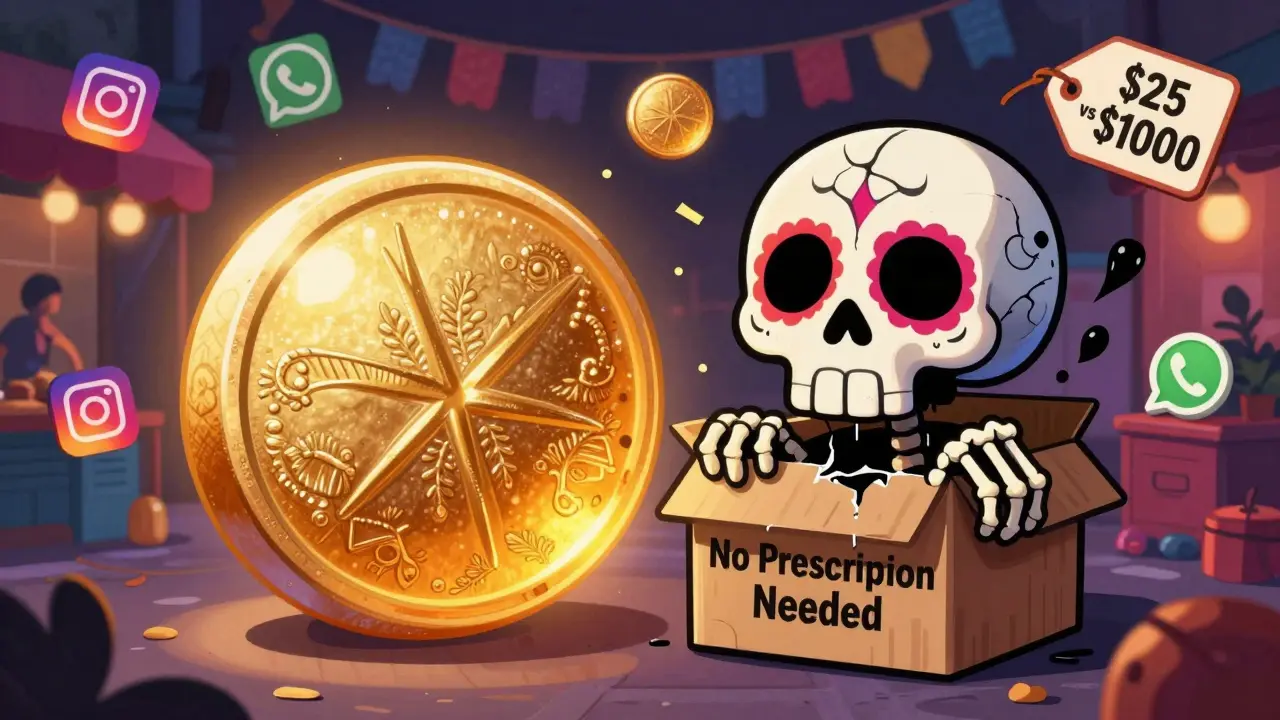
One of the biggest red flags? Price. If a drug like Ozempic is being sold for $25 instead of $1,000, it’s fake. Counterfeiters lure buyers with discounts of 80-90%. They know people are desperate for affordable meds. Don’t fall for it.
What to Do If You Find a Fake
If you suspect you’ve been sold a counterfeit drug, don’t throw it away. Don’t take it. Don’t give it to someone else. Here’s what to do:
- Save the packaging and pills. Keep everything-even the receipt or text message from the seller.
- Report it. Contact the FDA’s MedWatch program at 1-800-FDA-1088 or file online at fda.gov/medwatch. Also report to the DEA at 1-800-882-9539.
- Call the manufacturer. Eli Lilly, Pfizer, and other companies have hotlines for counterfeit reports. They use your info to track fake batches and alert regulators.
- Talk to your doctor. If you’ve taken the fake drug, let your doctor know. You may need testing or treatment.
These reports save lives. In 2024, a single report from a pharmacist in Texas led to the shutdown of a counterfeit Mounjaro® operation that had distributed over 2,000 fake pens across six states.
Why This Matters More Than Ever
Counterfeit drugs aren’t a distant problem. They’re here. In 2023, the FDA seized over 13 million fake pills in the U.S. alone. The rise of GLP-1 agonists like Ozempic and Wegovy has created a gold rush for criminals. These drugs are expensive, hard to get, and in high demand. That makes them perfect targets.
And it’s not just about painkillers or weight-loss meds. Fake antibiotics, insulin, cancer drugs, and heart medications are also being sold. A patient who takes a fake insulin pill might not feel sick right away-but their blood sugar could spiral out of control, leading to coma or death.
The system is trying to catch up. The Drug Supply Chain Security Act (DSCSA), fully implemented in 2023, now requires every prescription drug package in the U.S. to have a unique digital identifier. In the future, you’ll be able to scan a barcode and verify your pill’s journey from factory to pharmacy. But that’s still rolling out. For now, you’re your own best defense.
Final Thoughts
You can’t rely on looks alone. Fake pills are getting smarter. But you can still protect yourself. Stick to trusted pharmacies. Never buy without a prescription. Question anything that seems off. And if something feels wrong-trust your gut. A fake pill doesn’t just waste your money. It can end your life.
Can I tell if a pill is fake just by looking at it?
Sometimes, but not always. Many counterfeit pills are made to look identical to the real thing. Signs like different color, shape, imprint, or packaging can help-but fake manufacturers copy even these details. The only 100% way to confirm authenticity is lab testing. If you notice any change from what you normally receive, stop using it and contact your pharmacist or doctor.
Are online pharmacies always illegal?
No, but most are. Legitimate online pharmacies require a valid prescription, are licensed in your state, and are verified by the VIPPS program. If a site sells drugs without a prescription, ships from overseas, or doesn’t list a physical address or phone number, it’s illegal. Always check the NABP’s VIPPS list before buying online.
What should I do if I’ve already taken a fake pill?
If you suspect you’ve taken a counterfeit drug, stop using it immediately. Contact your doctor or go to an emergency room if you feel unwell. Even if you feel fine, some fake ingredients cause delayed damage. Report the incident to the FDA’s MedWatch program and save the packaging for investigation. Don’t wait to act.
Why are fake drugs so common now?
High demand and high prices make counterfeit drugs extremely profitable. Drugs like Ozempic, Xanax, and Adderall cost hundreds of dollars, but fake versions cost pennies to make. Criminals use social media and encrypted apps to reach buyers directly, bypassing traditional supply chains. With little risk and high profit, this market keeps growing.
Can I trust my local pharmacy?
Most licensed U.S. pharmacies are safe. But counterfeit drugs can slip into the supply chain through compromised distributors. If your medication looks different, smells odd, or you get it from an unfamiliar source, call your pharmacist. They can check if it’s been reported as counterfeit. Always ask questions-pharmacists are trained to help you spot problems.
Is it safe to buy medications from Canada or other countries?
The FDA doesn’t approve drugs imported from outside the U.S., even from countries like Canada. While some Canadian pharmacies are legitimate, many are fronts for counterfeit operations. You can’t verify the source, and there’s no oversight. The risk of getting fake, expired, or contaminated drugs is too high. Stick to U.S.-licensed pharmacies.
Prathamesh Ghodke
March 17, 2026 AT 13:45Man, I just got back from my cousin’s place in Mumbai-his friend bought 'Xanax' off Instagram for $10 a pill. Took one, woke up sweating bullets, thought he was having a heart attack. Turned out it was just fentanyl-laced chalk. He’s fine now, but dude, we need to talk about this like, everywhere. Not just here, but in places where people don’t even know what 'fentanyl' means. This isn’t a US problem-it’s a global one, and we’re all just scrolling past it like it’s a meme.
Stephen Habegger
March 18, 2026 AT 20:17Been there. My grandma’s insulin looked weird. Called the pharmacy. Turned out the batch was switched. They replaced it same day. Trust your gut. Always.
Justin Archuletta
March 19, 2026 AT 02:49OMG, I just realized my Adderall pills are a different shade now?! I thought I was just tired… I’m calling my pharmacist RIGHT NOW. Like, immediately. This is scary. 😳
Sanjana Rajan
March 20, 2026 AT 14:22People are so dumb. You think you’re saving money by buying off a TikTok influencer? You’re just funding cartels. And now you’re surprised when you pass out? Wow. Maybe stop being an idiot and get a real prescription. #WastedLives
Kyle Young
March 20, 2026 AT 19:42It’s fascinating how the commodification of health has created a vacuum where criminal enterprises thrive on desperation. The very systems meant to protect us-pharmaceutical regulation, insurance, supply chains-have become so fragmented, so opaque, that the most vulnerable are left to navigate a minefield of aesthetics. A pill that looks right is no longer enough. We’ve outsourced trust to logos and packaging, and now we’re paying the price in lives. Is this the inevitable outcome of late-stage capitalism, or can we rebuild something more humane?
Aileen Nasywa Shabira
March 22, 2026 AT 19:11Oh wow, another ‘warning’ article. Let me guess-next you’ll tell us not to drink water that’s been left out overnight? Fake pills? Newsflash: people have been dying from bad meds since the 1800s. The FDA’s been asleep at the wheel for decades. Now you’re shocked? Wake up. The real danger isn’t the pills-it’s the panic marketing that makes you paranoid about every little change. I’ve been on the same med for 12 years. It changed color once. Guess what? It was a different manufacturer. Not a crime scene. Chill out.
Kendrick Heyward
March 23, 2026 AT 20:02I just cried reading this. My brother died from a fake Xanax. I still have the bottle. The label was perfect. The pill looked right. But it killed him. I don’t care how many stats you throw at me. This isn’t abstract. It’s my brother. I don’t want anyone else to feel this. Please. Please just be careful.
lawanna major
March 25, 2026 AT 12:12There is a profound irony in how we treat pharmaceuticals as both sacred and disposable. We place our lives in the hands of complex chemical formulations, yet we treat the delivery system with casual disregard-clicking ‘buy now’ on unverified sites, trusting friends, ignoring packaging discrepancies. The body does not lie: if a pill behaves differently, it is not the same. The responsibility lies not solely with regulators, but with each of us to become vigilant consumers of our own health. A change in color, texture, or taste is not a trivial matter-it is a biological signal. We must honor that signal, not dismiss it as paranoia.
Ryan Voeltner
March 26, 2026 AT 07:23