
When you’re handed a prescription, do you feel like you’re making a choice-or just accepting an order? For many patients, the moment a doctor says, "Take this pill every day," feels less like collaboration and more like compliance. But what if you could truly control your medication journey? That’s the heart of medication autonomy: the right to choose what goes into your body, based on your values, lifestyle, and understanding-not just clinical guidelines.
Why Your Body, Your Choice
Medication autonomy isn’t a new idea, but it’s still not the norm. It traces back to the Nuremberg Trials after World War II, where forced medical experiments shocked the world. From that trauma came the principle: no one should be subjected to medical treatment without free, informed consent. In 1972, a U.S. court case called Canterbury v. Spence made it law: doctors must tell you the real risks and alternatives before you agree to any treatment. This wasn’t just about surgery-it applied to pills, too. Today, autonomy means more than signing a form. It means having real conversations about what matters to you. Maybe you’re okay with a slightly less effective drug if it doesn’t cause weight gain. Maybe you’d rather try a cheaper generic, even if it means taking two pills instead of one. Maybe you don’t want to take an antidepressant because you fear losing emotional depth. These aren’t irrational choices-they’re personal. Research shows patients who help choose their meds are more likely to stick with them. A 2023 study in the Annals of Internal Medicine found that 82% of people continued taking medications they helped select, compared to just 65% when the doctor picked for them. That’s not just compliance-it’s ownership.What Makes a Real Choice?
You can’t choose wisely if you don’t have real options. True medication autonomy requires three things: information, time, and respect. First, you need facts-not marketing. You should know how well each option works. For example, in treating major depression, SSRIs (like Prozac or Zoloft) help about half of patients. But they also cause sexual side effects in 25-30% of users. Meanwhile, a newer drug like vortioxetine might have fewer sexual side effects but costs $5,000 a month. A biosimilar version? Around $3,500. That’s not a subtle difference-it’s life-changing. Second, you need time. Most doctor visits last 15 minutes. That’s barely enough to check your blood pressure, let alone weigh five different treatment paths. Yet, a 2023 Commonwealth Fund survey found 63% of patients felt they didn’t get enough time to talk about medication options. If your doctor rushes through the list, you’re not making a choice-you’re nodding along. Third, you need to be heard. Too often, doctors assume a patient won’t adhere to a regimen because of their income, race, or age. A 2023 AMA ethics opinion warned against this: "Physicians must not withhold medically appropriate medication based on assumptions about adherence." That means if you’re a low-income patient who wants a biologic for rheumatoid arthritis, you have the right to ask for it-even if your doctor thinks you "can’t handle" the dosing schedule.Where Autonomy Breaks Down
Even though autonomy is ethically sound, it’s still patchy in practice. Only 42% of clinics in rural areas consistently use shared decision-making tools. In urban hospitals, it’s better-but still inconsistent. Only 38% of Epic EHR systems (used by 78% of U.S. hospitals) even have a field to record patient medication preferences. Cost is a huge barrier. In 2023, 32% of Medicare Part D beneficiaries changed their medication because they couldn’t afford it. That’s not autonomy-it’s coercion. If you skip your insulin because it costs $400 a month, you’re not choosing; you’re surviving. Then there’s misinformation. Social media has fueled a 40% spike in antibiotic refusal requests since 2022, often based on viral myths about "toxic" drugs. Meanwhile, direct-to-consumer ads influence 28% of medication requests, according to FDA data. So your "choice" might be shaped by an Instagram post or a 30-second TV commercial-not clinical evidence. And cultural barriers? Real. One in three immigrant patients say they feel uncomfortable questioning a doctor’s recommendation. In some communities, autonomy is seen as disrespectful, not empowering. That’s why one-size-fits-all approaches fail.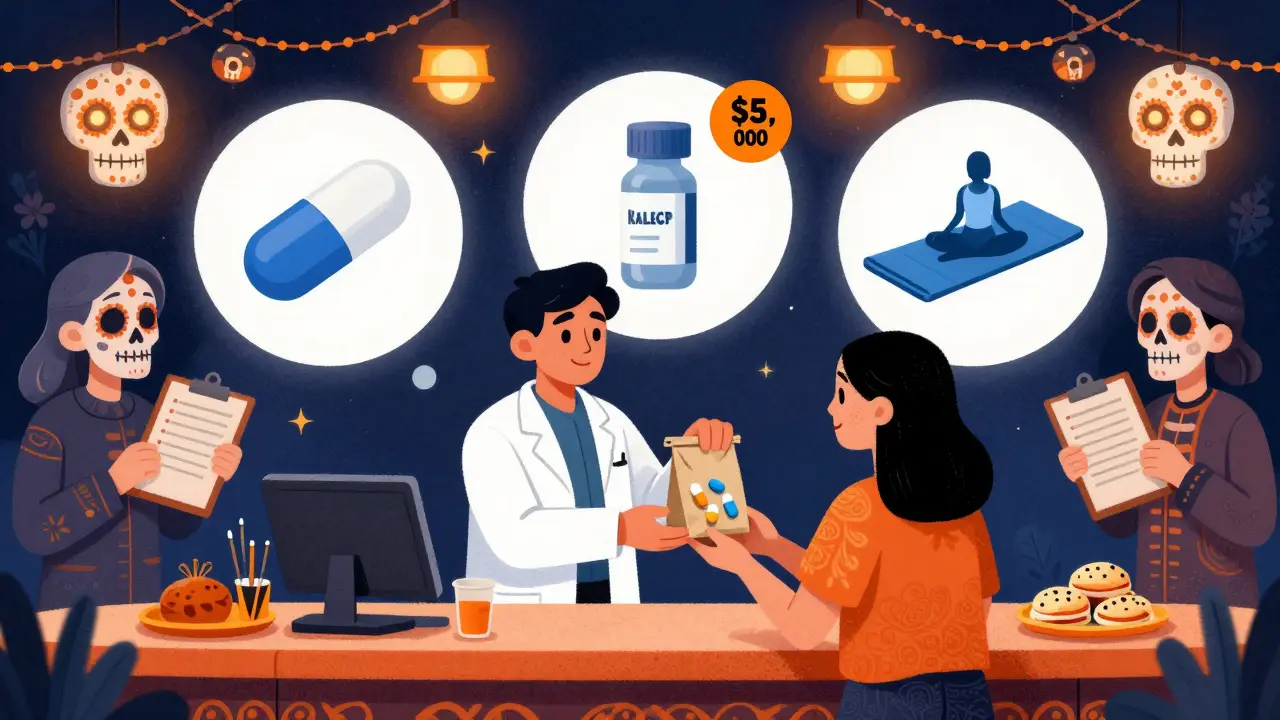
How to Actually Take Control
Want to exercise real autonomy? Here’s how to start:- Ask for alternatives. Don’t wait to be offered them. Say: "What are my other options?" and "What happens if I don’t take this?"
- Request data. Ask for efficacy rates, side effect stats, and cost comparisons. You’re not being difficult-you’re being informed.
- Use decision aids. Tools from the Mayo Clinic or the Agency for Healthcare Research and Quality (AHRQ) break down options in plain language. Bring them to your appointment.
- Bring a note-taker. A friend or family member can help remember details you might miss in a stressful moment.
- Check your EHR. Many hospitals let you view your records online. Look for notes about your preferences. If they’re missing, ask to add them.
What’s Changing-and What’s Next
The tide is turning. In 2024, the American Society of Health-System Pharmacists launched the Medication Autonomy Framework, a set of 12 evidence-based standards for how providers should support patient choice. The FDA is now requiring drugmakers to collect patient preference data for new medications. And digital tools are rising: 63% of new shared decision-making platforms now include preference trackers. The future? Personalized medicine. Pharmacogenomic testing-analyzing your genes to predict how you’ll respond to drugs-now costs $249, down from $1,200 in 2020. In five years, your doctor might say: "Based on your DNA, this drug will likely work for you with minimal side effects. Here’s the alternative if you’d prefer to try something else." But here’s the catch: 37% of adults over 65 struggle to use digital tools. If autonomy moves online, will it leave behind the very people who need it most?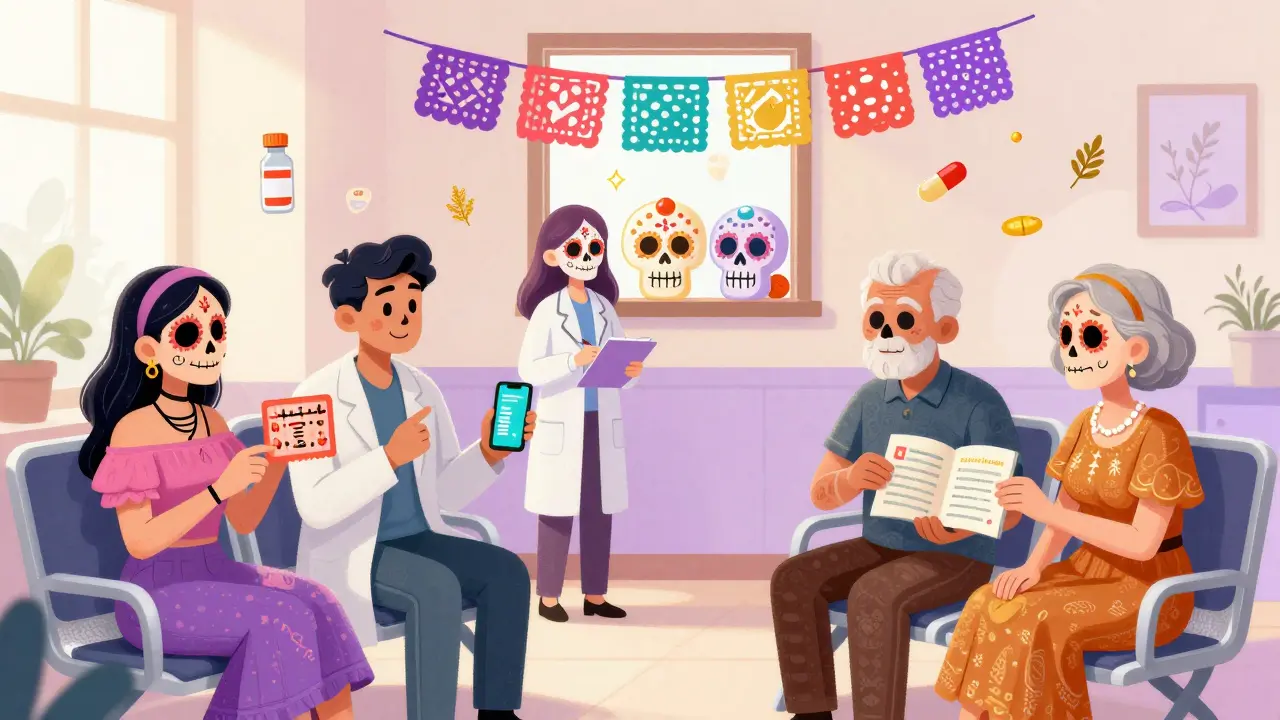
Real Stories, Real Choices
On Reddit, a palliative care physician shared how a cancer patient refused opioids due to religious beliefs about suffering. Instead of pushing painkillers, they worked together on a non-opioid plan-more frequent doses, heat therapy, and mindfulness. The patient felt heard. That’s autonomy in action. On PatientsLikeMe, a woman with type 2 diabetes said her doctor dismissed her concerns about Ozempic’s nausea. She switched providers. Found one who listened. Now she’s on a different GLP-1 drug with fewer GI side effects-and she’s sticking with it. These aren’t outliers. They’re examples of what’s possible when patients aren’t just patients-they’re partners.Who Benefits Most?
Autonomy doesn’t just help patients-it helps the whole system. When people choose meds they understand and value, adherence improves. Hospital readmissions drop. Costs fall. Providers spend less time chasing non-compliance and more time solving real problems. But equity matters. Black and Hispanic patients are significantly less likely to report feeling involved in medication decisions. In 2023, only 49% of Black respondents and 53% of Hispanic respondents felt adequately involved, compared to 74% of White respondents. That gap isn’t accidental. It’s systemic. Fixing it means training providers to recognize bias, building trust, and ensuring language and cultural access.Your Next Step
You don’t need a medical degree to take control. You just need to speak up. Next time you get a prescription, don’t say "Okay." Say:- "What are the alternatives?"
- "How does this affect my daily life?"
- "What if I wait or try lifestyle changes first?"
- "Can we look at the cost together?"
Can I refuse a medication even if my doctor recommends it?
Yes. As long as you have decision-making capacity-meaning you understand the risks, benefits, and consequences-you have the legal and ethical right to refuse any medication, even if it’s considered standard care. Doctors are required to respect your choice, though they may document their concerns. In rare cases where refusal could lead to serious harm (like refusing insulin for type 1 diabetes), they may involve ethics committees or seek a second opinion, but they still cannot force treatment.
Why do some doctors seem resistant to discussing medication choices?
Many providers aren’t trained in shared decision-making. A 12- to 18-month learning curve is needed to build skills in values clarification and risk communication. Time pressures also play a role: in 15-minute visits, it’s easier to prescribe than to discuss trade-offs. Some doctors also make unconscious assumptions-like believing patients won’t follow complex regimens-leading them to limit options. But these are systemic issues, not ethical ones. Patient advocacy and better tools are slowly changing this.
Does medication autonomy apply to mental health drugs?
Absolutely-and it’s especially important here. Psychiatric medications affect mood, cognition, and identity. Many patients refuse SSRIs because they fear emotional numbness, or avoid antipsychotics due to weight gain or sedation. Autonomy means acknowledging these concerns as valid, not pathological. In fact, 78% of psychiatrists now routinely use shared decision-making tools for mental health meds, according to the 2023 AMA Physician Practice Benchmark Survey. This is one area where patient voices have led the change.
Can I ask my doctor to switch me to a cheaper generic?
Yes, and you should. Brand-name drugs can cost 50-100% more than generics with the same active ingredient. In 2023, 32% of Medicare beneficiaries altered their regimen due to cost. Ask: "Is there a generic version?" or "Are there biosimilars available?" Many insurers require step therapy (trying cheaper options first), but you have the right to appeal if the cheaper option doesn’t work for you. Pharmacists can also help you find discount programs or coupons.
What if I want to try a non-drug option instead?
You have the right to explore non-pharmacological alternatives-like diet changes, physical therapy, cognitive behavioral therapy, or mindfulness-for conditions like hypertension, depression, or chronic pain. Doctors should discuss these options with you, not just assume medication is the only path. In fact, the 2024 National Academy of Medicine report "Medications as Partnership" highlights digital therapeutics (like apps for insomnia or anxiety) as emerging alternatives. If your doctor dismisses your interest, ask for a referral to a specialist or a wellness program. Your health is your responsibility-and your choice.
Kal Lambert
March 16, 2026 AT 19:19Melissa Starks
March 17, 2026 AT 02:27Manish Singh
March 17, 2026 AT 23:20Ayan Khan
March 18, 2026 AT 21:58cara s
March 20, 2026 AT 01:28Shameer Ahammad
March 21, 2026 AT 07:06Lauren Volpi
March 21, 2026 AT 23:29Gaurav Kumar
March 22, 2026 AT 03:17Robin Hall
March 23, 2026 AT 09:08Jeremy Van Veelen
March 25, 2026 AT 08:33Emily Hager
March 27, 2026 AT 03:42Nilesh Khedekar
March 28, 2026 AT 01:24