
More than 1 in 10 people in the U.S. say they’re allergic to a medication. But here’s the catch: most of them aren’t. If you’ve been told you’re allergic to penicillin because you got a rash as a kid, there’s a 90% chance you’re not actually allergic anymore - or never were. The problem isn’t just confusion. It’s dangerous. People with mislabeled drug allergies end up on stronger, pricier, and less effective antibiotics. They stay in the hospital longer. And sometimes, they don’t get the right treatment at all.
Penicillin: The Most Misunderstood Drug Allergy
Penicillin is the number one culprit when it comes to reported drug allergies. About 10% of Americans claim they’re allergic to it. But when doctors test them properly - with skin tests and a controlled oral dose of amoxicillin - over 95% turn out to be fine. Only about 1% have a true, IgE-mediated allergy that could cause anaphylaxis. Why does this happen? Many people mistake side effects for allergies. Nausea? Not an allergy. Diarrhea? Not an allergy. A mild rash that fades in a few days? Often not an allergy either. True penicillin allergies cause hives, swelling of the face or throat, trouble breathing, or a sudden drop in blood pressure - usually within minutes to an hour after taking the drug. The consequences of getting this wrong are huge. A 2017 study in JAMA Internal Medicine found that patients labeled as penicillin-allergic were 69% more likely to be given broader-spectrum antibiotics like vancomycin or fluoroquinolones. These drugs cost more, cause more side effects, and fuel antibiotic resistance. Each mislabeled allergy adds over $1,000 to hospital costs per stay. The good news? Testing is fast, safe, and highly accurate. A full penicillin allergy evaluation - skin test followed by an oral challenge - takes about 2 to 4 hours. The negative predictive value is 97-99%. That means if the test says you’re not allergic, you’re almost certainly not. And if you were allergic as a child? You likely outgrew it. About 80% of people lose their penicillin allergy after 10 years without exposure.Other Antibiotics That Trigger Reactions
Penicillins aren’t the only antibiotics that cause trouble. Cephalosporins (like cephalexin and ceftriaxone), carbapenems (like meropenem), and sulfonamides (sulfa drugs) are also common triggers. The old rule said if you’re allergic to penicillin, you can’t take cephalosporins. That’s outdated. Cross-reactivity is now known to be only 1-3%, not the 10% many doctors still cite. Most patients with a true penicillin allergy can safely take newer cephalosporins, especially those with different side chains. Sulfa drugs - like Bactrim (trimethoprim-sulfamethoxazole) - are another big one. About 3% of the general population reacts to them. But for people with HIV, that number jumps to 60%. Reactions range from rashes to life-threatening conditions like Stevens-Johnson syndrome. If you have HIV and need an antibiotic, your doctor should avoid sulfa drugs unless absolutely necessary. Quinolones (like ciprofloxacin and levofloxacin) are also linked to hypersensitivity, though less commonly. Reactions here are often delayed - appearing days after starting the drug - and can include skin blistering, fever, or liver inflammation. These aren’t classic IgE allergies. They’re T-cell mediated, meaning the immune system slowly turns against the drug.NSAIDs: More Than Just a Stomachache
Ibuprofen, naproxen, and aspirin are among the most common over-the-counter drugs. But they’re also one of the top causes of drug hypersensitivity after antibiotics. Most people think NSAID reactions are just stomach upset. But some have a real immune reaction. The most common is aspirin-exacerbated respiratory disease (AERD). If you have asthma and nasal polyps, there’s a 7-14% chance that taking aspirin or other NSAIDs will trigger wheezing, congestion, or even a full asthma attack. This isn’t an IgE allergy. It’s a metabolic reaction - your body can’t process the drug properly, leading to a surge in inflammatory chemicals. People with AERD often can’t tolerate any NSAID, including ibuprofen or naproxen. Even topical NSAIDs like gels can cause problems. The only safe pain reliever for these patients is acetaminophen (Tylenol). There’s also a rare but serious condition called NSAID-induced urticaria or angioedema. This causes hives or swelling without asthma symptoms. It can happen after just one dose. If you’ve ever broken out in hives after taking Advil or Aleve, don’t assume it’s just a coincidence. Get it checked.
Anticonvulsants and the Hidden Genetic Risk
If you’re taking carbamazepine (Tegretol) for seizures or nerve pain, you need to know about one critical fact: your ancestry matters. People of Southeast Asian descent - especially Han Chinese, Thai, and Malaysian - have a genetic marker called HLA-B*1502. If you have this gene and take carbamazepine, your risk of developing Stevens-Johnson syndrome (SJS) or toxic epidermal necrolysis (TEN) increases by 100 to 1,000 times. These are deadly skin reactions where the top layer of skin peels off, like a severe burn. Because of this, the FDA recommends genetic testing before prescribing carbamazepine to anyone with Asian ancestry. In Taiwan, where this became routine, SJS/TEN cases dropped by 90%. Lamotrigine (Lamictal), another seizure and mood stabilizer, causes rashes in 5-10% of users. Most are mild. But in 0.8 out of every 1,000 people, it leads to serious skin reactions. The risk is highest in the first few weeks of treatment and if the dose is increased too fast. Doctors now start with very low doses and slowly increase them - especially in children and people with HIV.Chemotherapy and Biologics: The High-Risk Zone
Cancer drugs are designed to attack fast-growing cells. Unfortunately, they sometimes trigger the immune system to attack the drug itself. Taxanes like paclitaxel (Taxol) cause hypersensitivity in 20-41% of patients. Symptoms include flushing, low blood pressure, breathing trouble, and chest tightness - usually during the infusion. Hospitals manage this by premedicating with steroids and antihistamines. Even so, about 5% still have moderate to severe reactions. Monoclonal antibodies - like cetuximab (Erbitux) used for colon cancer - are even trickier. They’re made from mouse proteins, and your body sees them as foreign. About 18-23% of patients have infusion reactions. Two percent have anaphylaxis on the first dose. That’s why these drugs are always given slowly and under close monitoring. Newer biologics for autoimmune diseases - like adalimumab (Humira) or rituximab (Rituxan) - also carry risks. Reactions are often delayed, appearing days or weeks after the dose. Skin rashes, joint pain, or fever can signal an immune response. These aren’t always easy to diagnose, and many get mistaken for infections.Contrast Dyes and Imaging Tests
If you’ve ever had a CT scan or MRI with contrast dye, you’ve probably heard the warning: “Are you allergic to iodine?” That’s a myth. Contrast dyes don’t contain iodine. They contain iodine-based molecules. And true allergies to them are rare - affecting only 1-3% of people. Severe reactions happen in less than 0.04% of cases. Most reactions are not immune-mediated. They’re caused by the dye’s osmotic properties, which irritate blood vessels and cause flushing, nausea, or a metallic taste. These are side effects, not allergies. True allergic reactions to contrast dye look like hives, swelling, or breathing trouble. They’re more likely if you’ve had a reaction before, or if you have asthma or eczema. Hospitals often premedicate high-risk patients with steroids and antihistamines. Studies show this cuts moderate-to-severe reactions from 12.7% down to just 1%.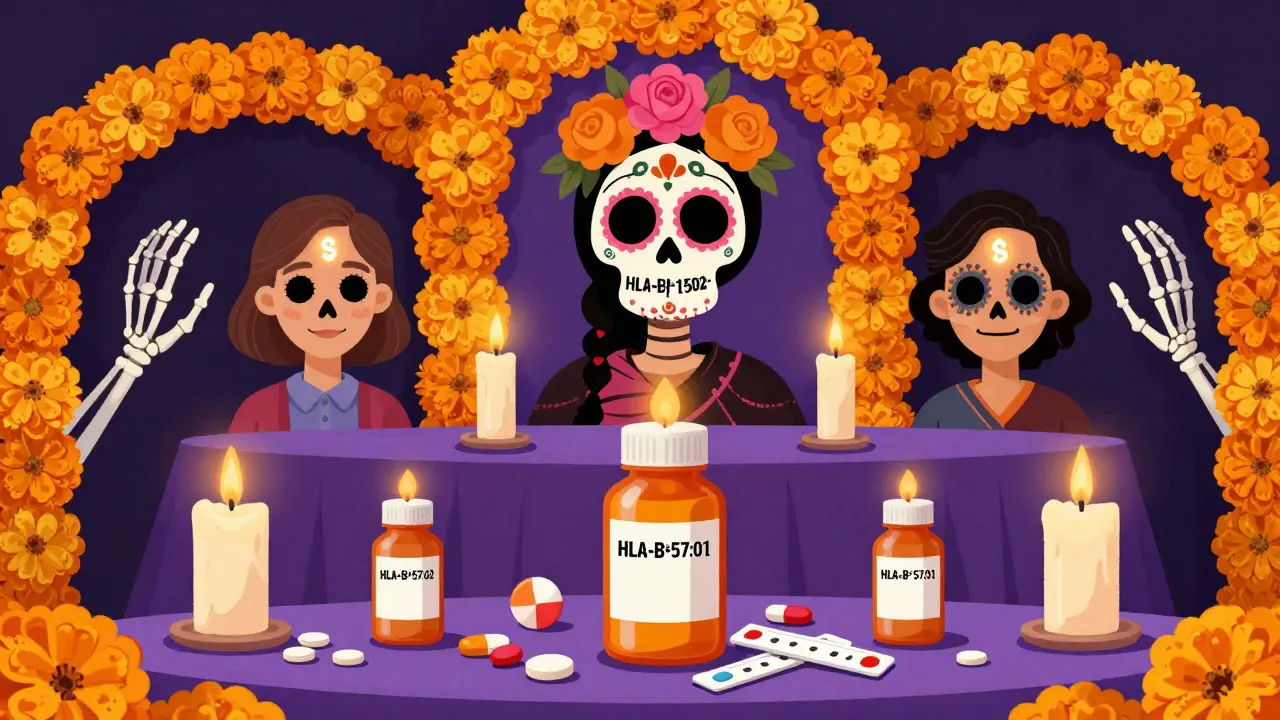
What to Do If You Think You’re Allergic
If you’ve ever had a reaction to a medication, don’t just assume it’s an allergy. Write down:- What drug you took
- When you took it
- What symptoms you had
- How long they lasted
- Whether you’ve taken it again since
Napoleon Huere
January 27, 2026 AT 18:10It's wild how we treat drug allergies like ancient curses passed down from childhood. We hold onto labels like they're sacred texts, even when science says they're outdated. The real tragedy? People die or suffer worse outcomes because we're too lazy to retest. It's not just medical ignorance-it's cultural inertia. We'd rather trust a 20-year-old chart note than a modern diagnostic tool. And that's not bravery. That's cowardice wrapped in tradition.
Shweta Deshpande
January 27, 2026 AT 18:37Oh my goodness, this is SO important!! I had this exact thing happen to me-my mom always said I was allergic to penicillin because I got a little rash when I was five. Fast forward 25 years, I ended up in the ER with a nasty infection and they gave me this super strong antibiotic that made me dizzy and nauseous for days. I finally got tested last year and turns out I’m totally fine with penicillin! Now I take amoxicillin like it’s candy and my doctor says I saved myself thousands in hospital bills. Please, if you think you’re allergic, get checked!! It’s quick, safe, and honestly life-changing.
Aishah Bango
January 28, 2026 AT 12:51Of course people are misdiagnosed. We live in a society that treats medical labels like tattoos-permanent, unchangeable, sacred. No one wants to admit they were wrong. No one wants to say, ‘Oops, I misread a rash as an allergy.’ But here’s the thing: if you’re not willing to correct your mistake, you’re not just being ignorant-you’re endangering others. This isn’t about ‘personal freedom.’ It’s about public health. And you’re either part of the solution or part of the problem.
Simran Kaur
January 30, 2026 AT 09:36As someone from India where antibiotics are sold over the counter like candy, this hits so deep. My uncle was told he was allergic to sulfa drugs after a mild rash-he never took them again for 15 years. Then he got a UTI and the doctor had to give him something way more expensive and harder on his kidneys. He cried when he found out he could’ve taken the cheap, effective one all along. In villages, no one even knows testing exists. We need more outreach, more awareness, more doctors who care enough to explain. This isn’t just science-it’s justice.
Jessica Knuteson
January 31, 2026 AT 13:17Penicillin allergies are a scam. Most people who say they have them have never had a real reaction. The system rewards overcaution. Hospitals make more money giving broad-spectrum antibiotics. Doctors avoid liability by labeling. Patients get stuck with worse drugs. It’s a perfect feedback loop of incompetence. And now we’re paying $1.2 billion a year to keep it going. Someone’s making money. And it’s not you.
Robin Van Emous
January 31, 2026 AT 18:13I used to think I was allergic to ibuprofen-got a rash once, never took it again. Then I read this and thought, ‘Wait, maybe I just had a weird reaction.’ Got tested last month. Zero allergy. Now I take Advil before workouts like a champ. Honestly, I feel kinda dumb for avoiding it for 10 years. But I’m glad I didn’t just assume. Sometimes the scariest thing isn’t the drug-it’s the label you never questioned.
rasna saha
February 1, 2026 AT 03:00My cousin’s son had a rash after taking amoxicillin and they immediately wrote it off as an allergy. He’s 8 now and still can’t take any penicillin-based meds-even though he’s never had another reaction. I showed his parents this article and they’re finally scheduling a test. I’m so proud of them for being open to it. We don’t have to live in fear. We just have to be brave enough to ask, ‘What if I’m wrong?’
James Nicoll
February 1, 2026 AT 21:07So let me get this straight-after 100 years of medicine, we’re still letting a 5-year-old’s rash dictate an adult’s treatment? And the medical industry is fine with that because it means more $$$ for expensive antibiotics? Classic. I’m not surprised. We’d rather sell you a $2,000 IV than spend 3 hours testing you. Profit over people. Again. Shocking.
Uche Okoro
February 3, 2026 AT 07:49It is imperative to note that the pathophysiological mechanisms underlying drug hypersensitivity are heterogeneous, encompassing both IgE-mediated and T-cell-mediated immunological pathways. The misclassification of non-immunologic adverse reactions as ‘allergies’ represents a significant diagnostic error with cascading implications for antimicrobial stewardship. The prevalence of false-positive penicillin allergy labels exceeds 90% in retrospective cohorts, yet formal evaluation remains underutilized due to systemic barriers in healthcare infrastructure and provider knowledge gaps.
Ashley Porter
February 4, 2026 AT 23:48Contrast dye isn’t iodine. That’s a myth. But everyone still says it. Even radiology techs. I’ve been in the field 12 years. I’ve seen people panic because they ‘have an iodine allergy.’ They don’t. They just have a bad reaction to the osmotic load. We premedicate them anyway because it’s easier than explaining. And honestly? Most patients don’t care. They just want the scan done. So we play along. It’s not ideal. But it’s the system.
shivam utkresth
February 6, 2026 AT 16:58Bro, in India we just pop pills like candy. My cousin took 10 doses of amoxicillin for a sore throat because the pharmacist said ‘it’ll help.’ He broke out in hives. Now he thinks he’s allergic. But guess what? He’s never seen a doctor. No test. No nothing. We need more people like you-telling the truth. Not just for Americans. For everyone. Especially us in places where medicine is a lottery.
John Wippler
February 8, 2026 AT 00:00This isn’t just about penicillin. It’s about how we treat our bodies like machines with fixed settings. We get a glitch, we label it, we never update the software. But our bodies? They change. They heal. They adapt. That rash you got at 7? Doesn’t mean anything at 37. That fever after a flu shot? Doesn’t mean you’re allergic to vaccines. We need to stop treating medical history like a tombstone and start treating it like a living document. And if you’re scared to get tested? Do it for the person you’ll be in 10 years. They’ll thank you.
Shawn Raja
February 9, 2026 AT 03:07Let me guess-someone’s gonna say ‘but what if I *am* allergic?’ Yeah, what if? Then get tested in a controlled environment. Not some panic reaction in a Walmart parking lot. Real medicine isn’t about fear. It’s about facts. And facts say 95% of you are wrong. So stop being dramatic. Get tested. Save money. Save lives. Do the thing.
Ryan W
February 9, 2026 AT 16:07U.S. spends $1.2B on this? That’s pathetic. We’re the richest country in the world and we can’t afford to test people? We’d rather pay for useless antibiotics and longer hospital stays? This isn’t healthcare. This is corporate theater. And the worst part? The people who need help the most-low-income, uninsured-are the ones stuck with the worst drugs because they can’t afford to get tested. This is systemic racism dressed up as medicine.
Henry Jenkins
February 11, 2026 AT 11:59I’ve been thinking about this a lot since reading this. I used to work in a hospital pharmacy. We’d see patients with ‘penicillin allergy’ on their chart and automatically switch them to vancomycin. Never questioned it. Then one day, a nurse asked me, ‘Why are we giving this guy vancomycin when he’s got a sinus infection? Penicillin’s way better.’ I looked it up. Found out 90% of those labels are wrong. That night, I started pushing for allergy referrals. Now I run a small program in our ER. We’ve tested 200 people. 187 were fine. One guy cried. He said he’d been avoiding penicillin since he was 6. He was 52. He finally got the right antibiotic. He got out of the hospital two days early. That’s the power of asking the right question.
Napoleon Huere
February 11, 2026 AT 23:30And yet, here we are. Still labeling. Still avoiding. Still letting fear replace science. The fact that we need a 1,200-word article to convince people to get tested says everything about how broken this system is.