
Daily Potassium Intake Estimator
| Food Item | Quantity | Potassium |
|---|---|---|
| Baked Potato (medium) | 926 mg | |
| Cooked Spinach (1 cup) | 839 mg | |
| Avocado (1 cup) | 708 mg | |
| Banana (medium) | 422 mg | |
| Tomato (medium) | 292 mg | |
| Orange (medium) | 237 mg |
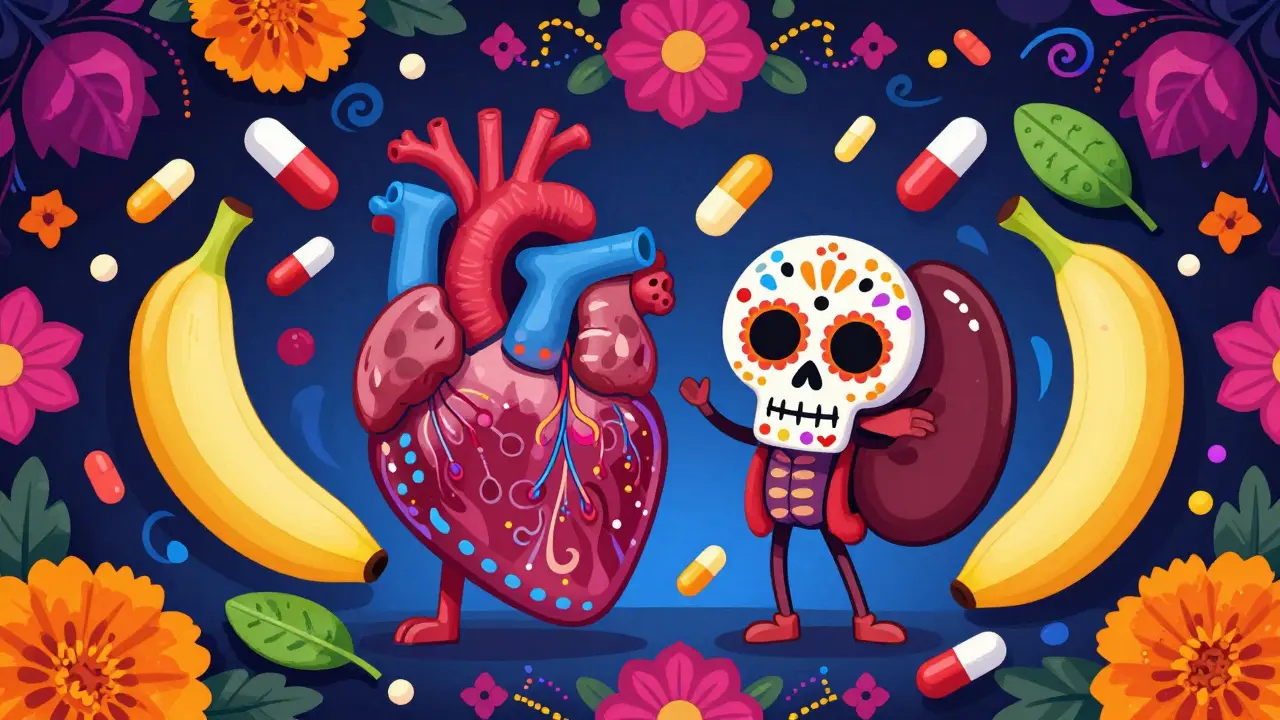
Imagine eating a healthy bowl of spinach or a few bananas, only to find out that these nutritious choices could potentially trigger a medical emergency. For people taking certain blood pressure medications, this isn't a joke-it's a real physiological risk. ACE Inhibitors is a class of pharmaceutical medications that block the conversion of angiotensin I to angiotensin II, helping to lower blood pressure and protect the heart and kidneys. Commonly known as Angiotensin-Converting Enzyme inhibitors, these drugs are lifesavers for millions, but they come with a specific catch: they make it much harder for your body to get rid of potassium.
How Your Meds Change Your Potassium Levels
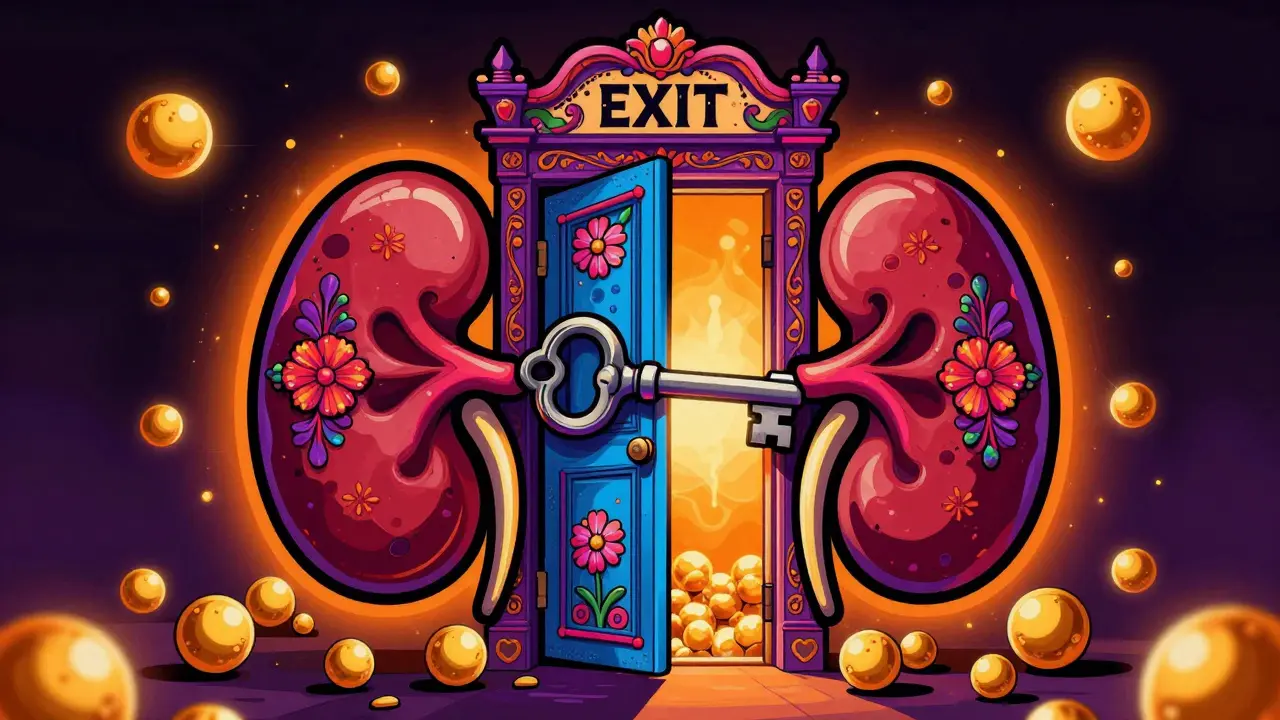
To understand why your diet suddenly matters more, you have to look at the Renin-Angiotensin-Aldosterone System (RAAS) is a hormone system that regulates blood pressure and fluid balance in the body . Normally, a hormone called aldosterone tells your kidneys to keep sodium and flush out potassium. When you take an ACE inhibitor, your body produces about 40% to 60% less aldosterone within the first 24 hours.
Because aldosterone is essentially the "exit door" for potassium, blocking it means the door slams shut. Your kidneys' ability to clear potassium drops by roughly 25% to 35%. When potassium builds up too much in your blood, you hit a state called Hyperkalemia, which can cause everything from muscle weakness to dangerous heart rhythm issues. It's a delicate balance; you need potassium for your nerves and muscles to work, but too much of it can be toxic.
Who is Most at Risk?
Not everyone on these meds will struggle with potassium levels, but some people are in a higher risk bracket. If you fit into any of these categories, you'll want to be extra vigilant:
- People with Kidney Issues: If your eGFR is estimated glomerular filtration rate, a measure of how well your kidneys filter waste is below 60, you're over three times more likely to develop hyperkalemia.
- Diabetics: People with diabetes, especially those with albuminuria, have a nearly 50% higher chance of experiencing potassium spikes.
- The Elderly: Patients over 75 often have naturally declining renal function, making them more susceptible.
- Combination Users: Taking ACE inhibitors alongside potassium-sparing diuretics or certain antibiotics like trimethoprim/sulfamethoxazole can multiply the risk by nearly three-fold.
The High-Potassium Food Trap
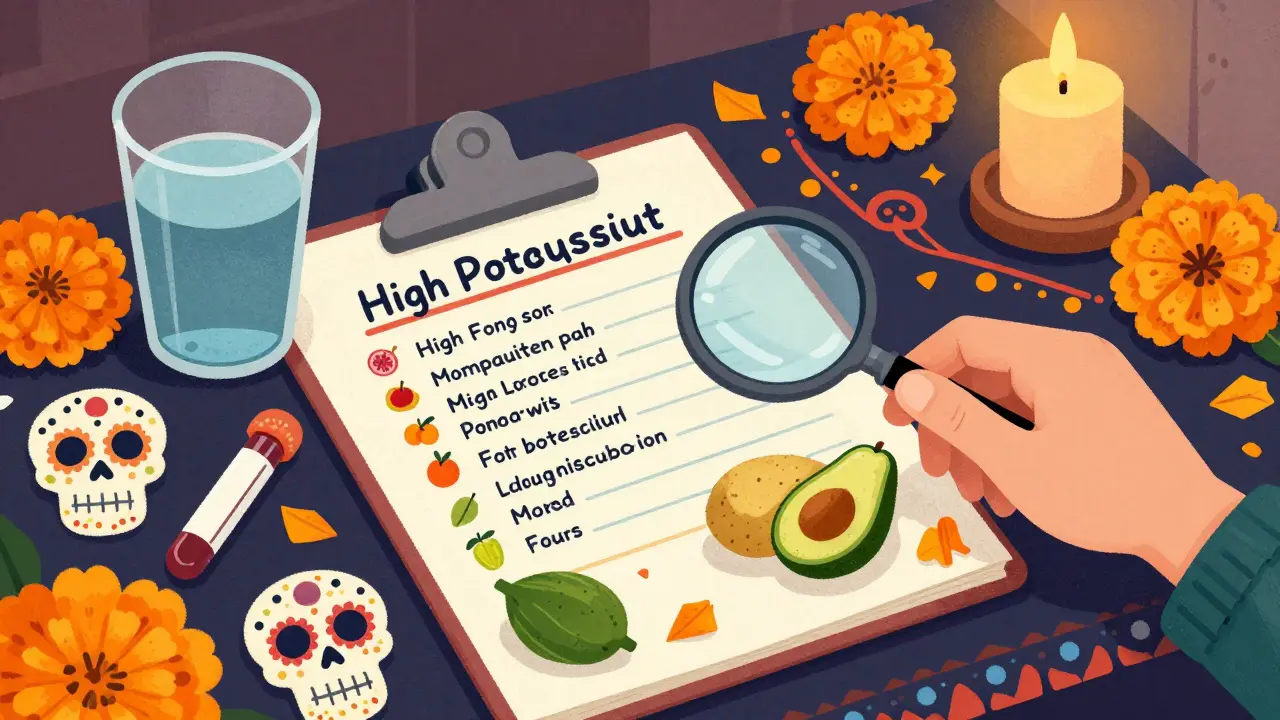
The biggest challenge is that most high-potassium foods are also the "healthiest" foods we're told to eat. You might be eating a "heart-healthy" diet while accidentally pushing your potassium levels into the danger zone. For instance, a single baked potato can pack nearly 926 mg of potassium, and a cup of cooked spinach contains about 839 mg.
If your kidney function is significantly reduced (eGFR below 45), doctors often recommend keeping your daily potassium intake under 2,000 mg. To put that in perspective, just two medium bananas and a cup of coconut water could put you dangerously close to your daily limit. Many people struggle here because "hidden" potassium exists in protein powders and salt substitutes (which often replace sodium with potassium chloride).
| Food Item | Amount | Approx. Potassium (mg) |
|---|---|---|
| Baked Potato | 1 medium | 926 mg |
| Cooked Spinach | 1 cup | 839 mg |
| Avocado | 1 cup | 708 mg |
| Banana | 1 medium | 422 mg |
| Tomato | 1 medium | 292 mg |
| Orange | 1 medium | 237 mg |
Practical Prevention and Monitoring
Preventing hyperkalemia isn't about cutting out all vegetables; it's about smart management. First, timing your blood work is critical. When you start a drug like lisinopril or ramipril, you should have your serum electrolytes checked within 7 to 14 days. After that, a check every four months is a standard rule of thumb to ensure your levels stay within the safe 3.5 to 5.0 mmol/L range.
If you find it hard to track every milligram, try using a dedicated renal diet app or a laminated food chart. Research shows that people who get both written guides and personal counseling from a dietitian are 42% more likely to stick to their limits than those who just read a pamphlet. If your levels do creep up, don't panic. Doctors can often adjust your dose or prescribe Potassium Binders is medications like patiromer or sodium zirconium cyclosilicate that bind potassium in the gut so it can be excreted to keep you on your life-saving heart medication without the risk.
Summary Checklist for Patients
Staying safe while on ACE inhibitors comes down to a few non-negotiable habits:
- Check your potassium levels 2 weeks after starting or changing your dose.
- Be cautious with "salt substitutes"-they are often potassium-based.
- Limit high-potassium produce if your eGFR is below 45.
- Avoid coconut water and excessive protein powders without checking labels.
- Notify your doctor immediately if you experience unusual muscle weakness or heart palpitations.
Can I still eat bananas if I take an ACE inhibitor?
Yes, but you need to monitor the quantity. A medium banana has about 422 mg of potassium. If your kidney function is normal, you likely don't need to worry. However, if you have chronic kidney disease, you may need to limit them or swap them for lower-potassium fruits like berries or apples.
What are the early signs of hyperkalemia?
Hyperkalemia is often "silent," meaning you might feel nothing until it's severe. Some early signs include muscle tingling, weakness, numbness, or a feeling of heaviness in the legs. In severe cases, it can cause nausea or irregular heartbeats.
Is it safe to take potassium supplements with these meds?
Generally, no. Taking potassium supplements while on ACE inhibitors significantly increases the risk of severe hyperkalemia. Always consult your doctor before taking any supplement that contains potassium.
How does kidney function affect this risk?
Your kidneys are responsible for removing over 90% of your body's potassium. If your kidneys aren't filtering efficiently (low eGFR), they can't clear the extra potassium that the ACE inhibitor is causing your body to retain, leading to a faster buildup in the blood.
Which ACE inhibitors are most common?
Common examples include Lisinopril, Enalapril, and Ramipril. While they all work by blocking the RAAS system, your doctor will choose the specific one and dose based on your blood pressure and kidney health.